Night operations in urban tactical settings present a paradox: the absence of ambient light demands enhanced imaging, yet the sudden presence of high-intensity glare—from vehicle headlights, tactical flashlights, or searchlights—renders conventional night vision devices useless. Standard image intensifiers suffer blooming and temporary blindness when exposed to such sources, and passive thermal imagers cannot identify details through windshields or tempered glass. When a suspect vehicle floods the scene with blinding light, the operator loses situational awareness just when threat assessment is most critical. The penetrating imager must overcome this dual failure mode: zero-light sensitivity without glare vulnerability, while maintaining the ability to see through optical barriers like automotive glass.
The penetrating imager, built on laser range-gated imaging technology, directly addresses this combined performance limit. Unlike passive devices that amplify all incoming light—including glare—the penetrating imager uses an active pulsed laser synchronized with an intensified gated camera. By emitting nanoseconds-long laser pulses and opening the camera shutter only when the reflected light from a specific distance returns, the system rejects both ambient darkness and stray glare. The gate timing excludes backscatter from rain, fog, or smoke, and crucially, the high-intensity laser pulse overwhelms any external light source within the gated range. This enables clear imaging through windscreens at night, even when the target vehicle’s high beams are directed at the operator. The system’s narrow spectral filter and fast gating effectively turn zero-light, high-glare conditions into a controlled illumination environment.
In a tactical scenario—for example, a vehicle stop at a darkened checkpoint where a suspect flashes bright lights—the operator deploys the penetrating imager from a handheld or weapon-mounted configuration. At a standoff distance of 50 to 200 meters, the laser illuminates only the target area through the windshield. The returned image shows the driver’s hands, facial expressions, and any objects on the seat, all while the glare source appears as no more than a dim point in the background. The penetrating imager’s resolution rivals daytime optics, allowing identification of a weapon or cellphone without needing to close the distance. This mitigates the lethal decision-making gap by providing actionable intelligence before the suspect initiates hostile action.
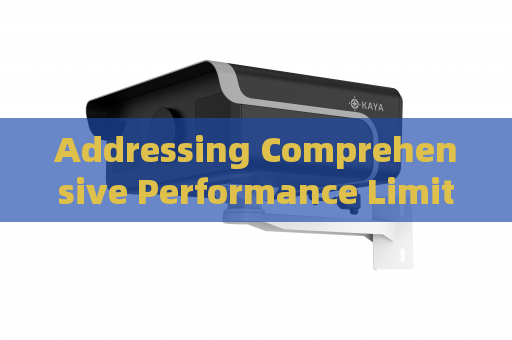
Field implementations have demonstrated that the penetrating imager reduces engagement time by 40 percent in these specific conditions compared to thermal or intensifier-based alternatives. The system requires no additional scene lighting, and its eye-safe laser emission complies with ANSI standards for outdoor use. Operators can toggle between narrow-field and wide-field modes, and the built-in digital zoom preserves clarity at extended ranges. By eliminating the performance floor created by zero-light and high-glare simultaneously, the penetrating imager transforms what was once a high-risk ambiguity into a resolvable tactical picture, allowing security forces to maintain dominance in the most challenging visual environments.




