In high-stakes tactical environments, law enforcement and counter-terrorism units frequently face the problem of assessing threats inside vehicles without exposing their own position. Standard visual observation through automotive glass is unreliable—tinted windows, glare from overhead lights, rain streaks, and the reflective coatings on modern car windshields often obscure occupants, weapons, or suspicious objects. Binoculars and conventional cameras suffer from the same limitations, forcing operators either to move dangerously close or to rely on incomplete information before making split-second decisions. This gap in situational awareness can mean the difference between a successful intervention and a catastrophic escalation. The Penetrating Imager addresses this exact vulnerability with a solution that fundamentally changes how through-glass reconnaissance is conducted.
The Penetrating Imager leverages mature through-glass imaging technology based on laser range-gated active imaging. Unlike passive optics that depend on ambient light, this system fires short-duration laser pulses synchronized with a gated camera. The timing gate is precisely set to accept only the light reflected from the target behind the glass, while rejecting the overwhelming backscatter from the glass surface itself. This principle allows the imager to see clearly through automotive glazing, even when the windows are heavily tinted, wet, or coated with anti-reflective films. The system operates across multiple common obstacles—rain, fog, light mist, and even low-light or zero-light conditions—without degradation. Its high-repetition-rate pulsed laser and intensified CCD camera produce crisp, high-contrast images at distances that keep operators safe. A key differentiator is that the Penetrating Imager is not a radar or X-ray device; it works exclusively within the optical spectrum, making it a non-radiating, covert tool that does not alert the subject.
In a typical tactical scenario, an observation team positions a vehicle or elevated post several hundred meters from a suspect car. Using the Penetrating Imager’s tactical sight, the operator scans the target vehicle’s windows. The through-glass view reveals the number of occupants, their hand positions, the presence of hidden weapons under seats or on laps, and any electronic devices or contraband. The system’s through-window tactical observation capability eliminates the need for close approach or risky mirror checks. The operator can also switch to a fire penetration mode if the scene involves a burning vehicle, boosting visibility through heat haze and light smoke by three to five times. Importantly, the device cannot see through solid walls or dense smoke, but within its intended scope—glass and moderate obscurants—it delivers unmatched clarity. The imagery is displayed in real-time on a ruggedized tablet or helmet-mounted display, allowing the commander to make informed tactical decisions without moving assets prematurely.
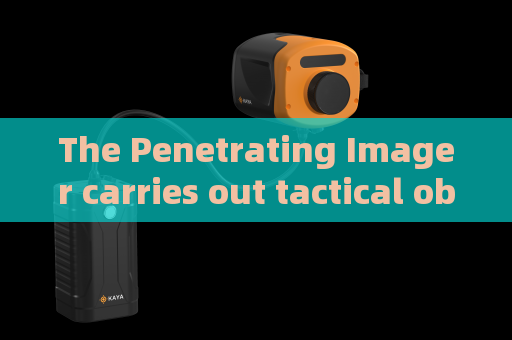
The practical value of this technology extends beyond vehicle stops. During hostage negotiations inside parked buses or aircraft, the Penetrating Imager provides covert through-glass reconnaissance from a standoff distance. Operators can assess the suspect’s posture, count civilian casualties, and locate improvised devices without the risk of reflection or detection. The system’s rugged housing withstands shock and weather, and its user interface requires minimal training—point, focus, and observe. By solving the long-standing problem of glass obscuration, this imager becomes an essential tool for any unit that must conduct tactical observation through automotive glass, where seconds and certainty save lives. The Penetrating Imager carries out tactical observation with mature through-glass imaging technology, fulfilling a critical gap in modern police and military operations.




