In a typical daytime tactical surveillance scenario, law enforcement officers positioned at a distance attempt to monitor the interior of a suspect vehicle parked under direct sunlight. The windshield and side windows act as reflective surfaces, amplifying solar glare and creating a blinding wash of light that overwhelms conventional optical systems. Standard cameras and binoculars rendered useless—the image is a flat white flare, erasing all details of occupants, objects, or movements inside the cabin. This high-glare environment surveillance issue is pervasive in urban and roadside operations, where the sun's angle, combined with reflective glass, produces unpredictable hotspots. Officers have no reliable means to conduct covert visual checks without exposing their position or missing critical intelligence. The real pain lies in the inability to distinguish a potential threat from an innocent civilian when the only available visual feed is saturated by uncontrolled brightness. The Penetrating Imager offers a definitive solution, but first, understanding the depth of the problem is essential: even advanced thermal imagers struggle under intense solar reflection because they detect surface heat, not transmitted light through glass. The gap between what is needed—clear, real-time vision through vehicle glazing in bright conditions—and what existing technology provides has been a persistent operational blind spot.
The breakthrough lies in the Penetrating Imager’s core strong light suppression imaging capability, a function specifically engineered to overcome the very problem described. This active imaging system employs laser range-gated imaging technology: a high-repetition pulse laser illuminates the target area, while an image-intensified gated camera—equipped with a microchannel plate (MCP) intensifier, high-voltage module, and timing module—synchronizes its shutter to receive only the light reflected from a precise distance. In practice, when aimed at a vehicle, the system rejects all background light, including direct sunlight and scattered solar glare, because the gating window is set to match the distance of the target behind the glass. The laser pulse travels to the windshield, passes through it, reflects off the objects inside (such as a person’s face or a seat), and returns; only those returning photons within the narrow time gate are captured. The intense glare from the glass surface or the sky is effectively time-gated out, producing a high-contrast, glare-free image. This is not passive suppression—it is active rejection of unwanted light sources, enabling through-window tactical observation even under the harshest noon sun. The system’s ability to see through automotive glass while suppressing ambient illumination makes it uniquely suited for high-glare scenarios where every other camera fails.
In actual field deployment, the operational effect is transformative. An officer set up a Penetrating Imager on a tripod at a range of 200 meters from a parked sedan during a midday operation. The sun was directly behind the vehicle, creating a blinding glare off the rear window. Using the imager’s range-finding controls, the operator input the approximate distance to the target seat. Within seconds, the display revealed a crisp, detailed image of the driver—facial features, hand positions, even the outline of a cell phone on the dashboard. The glare that had previously obscured everything was entirely absent. The strong light suppression imaging function allowed continuous monitoring without the need for the officer to reposition or rely on uncertain angles. The system maintained stable imaging even as the sun shifted, because the gating mechanism adapts to the fixed target distance, not the changing light intensity. This capability directly supports tactical decisions: determining if the occupant is armed, assessing suspicious behavior, or confirming identification before approaching the vehicle. The imager operates covertly—its laser is invisible to the naked eye at that range—and provides real-time video feed to a handheld display or command post, enabling shared situational awareness without compromising the observation post.
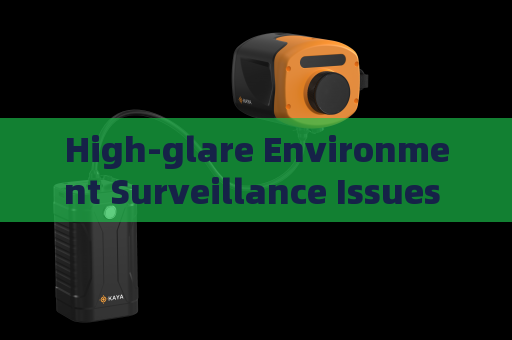
Further refinement of this scenario highlights the imager’s endurance under extreme conditions. During a late-afternoon surveillance run along a highway overpass, the officer encountered mixed glare from both direct sun and reflections off multiple adjacent vehicles. The Penetrating Imager’s strong-light suppression imaging maintained clarity by automatically adjusting the gate width to compensate for slight distance variations caused by vehicle movement. Even when a target vehicle rolled down its tinted window, introducing additional optical complexity, the system continued to produce usable imagery through the remaining glass surfaces. The imager’s performance in high-glare environments is not limited to static targets; it can track moving vehicles as long as the range gate is updated manually or via a connected rangefinder. This real-world utility eliminates the need for officers to wait for optimal lighting conditions or risk exposure by moving closer. The technology effectively turns a previously unusable high-glare setting into a high-confidence observation opportunity, solidifying its role as an essential tool for modern tactical surveillance across police, security, and counter-terrorism applications.




