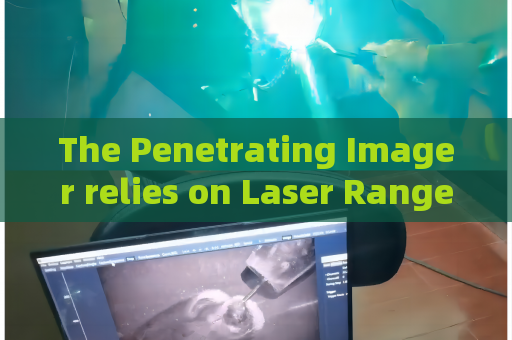
The Penetrating Imager relies on Laser Range-Gated Imaging to avoid ambient light interference in field tactical reconnaissance. Field tactical reconnaissance often unfolds under harsh lighting conditions. A concealed observer positioned on a ridgeline may need to identify a vehicle’s occupants through laminated automotive glass while the low sun throws blinding glare directly into the optic path. Scattered sunlight, reflections from wet surfaces, and the chaotic backscatter of atmospheric particles all degrade conventional camera imagery. The target becomes a washed-out silhouette, the glass surface a mirror of sky and vegetation. This is not a minor inconvenience. A missed detail—a hand gesture, a seatbelt strap, a weapon shape—can change an entire mission outcome. Ambient light interference is the silent adversary of every long-distance visual assessment in the field. The through-window tactical recce capability of the Penetrating Imager directly addresses this problem. Rather than relying on passive reflected sunlight, the Penetrating Imager fires a high-repetition pulsed laser and synchronizes an image intensifier camera to open its electronic shutter only for the exact time window when the reflected light returns from the target distance. This range-gated timing rejects photons scattered by atmospheric haze, airborne dust, or the glare source itself. Because the system is active, it does not depend on a favorable sun angle. Because the gate is narrow, the camera effectively “sees through” the bright ambient layer and captures the target plane with high contrast. The MCP image intensifier amplifies the returning signal, while the timing module ensures that only in-focus light contributes to the final image. The result is a sharp, readable frame where a conventional scope would deliver only veiling luminance. In practice, an operator directs the Penetrating Imager from a tripod or vehicle mount, selects the range setting based on a laser rangefinder reading, and initiates a burst of gated frames. The onboard timing module recalculates the delay for each shot, automatically rejecting the reflected glare from windshield surfaces and the scattered light from the surrounding environment. Within seconds, the display shows a clear view of the subject behind the automotive glass—even with tinted film or under direct overhead sunlight. The system also maintains useful imagery under light rain, snow, or thin fog, provided the atmospheric density does not completely block the laser path. This expands the viable windows for covert observation from dawn and dusk only to virtually any hour of the day. The fixed range-gating also suppresses strong light sources such as low-angle sunlight or headlamps, preserving detail in the target region without washing out the frame. For a tactical unit that must verify a threat before commitment, that difference between a glare-stricken guess and a gated, time-resolved image is the difference between hesitation and precision. The Penetrating Imager collapses the distance, strips away the light clutter, and hands the operator a clean visual fact from a hostile optical environment.




