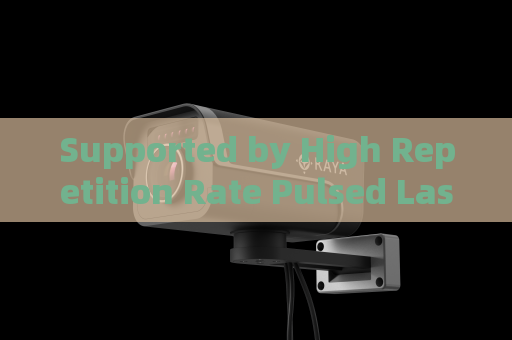
Supported by High Repetition Rate Pulsed Laser, the Penetrating Imager restrains window reflection in border police work. At a border checkpoint, the most time-consuming and treacherous step is not inspecting cargo holds or verifying documents—it is looking through the windshield and side windows of a sedan that has just pulled into the inspection bay. A border police officer on the driver’s side may see only a glaring mosaic of sky, clouds, and overhead lights bouncing off the glass. The reflection hides the shape of a hand moving toward the center console, the slight shift of a passenger’s shoulder, or the outline of an object wedged beneath the rear seat. Officers can order the occupants out, but that escalates tension and risks exposing them to an unseen threat. They can use flashlights, yet bright beams only amplify the mirror-like effect on the curved windshield. In low-light conditions at dusk, the problem worsens: the vehicle interior remains a black box surrounded by distorted highlights. This is the real, daily pain point—a transparent barrier that behaves like an opaque wall because of reflected light, making routine vehicle checks slow, uncertain, and potentially dangerous. The Penetrating Imager solves this specific problem through active illumination and time-gated imaging. Instead of flooding the glass surface with continuous light, the device fires a high repetition rate pulsed laser in extremely short bursts. The imager’s intensified gated camera opens its shutter only when the laser pulse has traveled to the target and returned, effectively slicing away the photons reflected off the windshield surface. Because the window reflection occurs at a much shorter distance than the vehicle interior, those unwanted photons are rejected by the timing gate. This Strong Light Suppression Imaging capability lets the operator see through the glass as if the reflection did not exist. The system works with the vehicle stationary or moving slowly through the checkpoint lane, and it requires no physical contact with the window. With a high repetition rate, the laser pulses build up enough signal from the dim interior—where a suspect might sit in shadow or a weapon might lie on the floor—so the image remains clear and continuous, not a single flickering frame. The result is a real-time visual feed that cuts through the glare, turning a reflective windshield into a transparent observation portal. In practical use at the border lane, an officer aims the hand-held unit at a suspicious vehicle from a distance of five to fifteen meters. The display shows the interior cabin with the same clarity as if the glass were removed, while the sunlight or floodlight glare is suppressed to near black. This allows a tactical visual check through tinted windows without stepping into the vehicle’s blind spot. The officer can observe whether the driver’s right hand stays visible on the wheel, whether the rear passenger’s knees are under the seat, or whether a blanket covers an irregular shape on the back bench. Because the gate timing can be adjusted on the fly, the operator shifts focus between the windshield, the side windows, and the rear window of the same car in seconds. No radio call is needed to halt the vehicle; the imager takes control of the visual situation. The deeper value of this approach appears during night shifts and in harsh weather. Heavy rain or fog scatters ordinary light and creates additional backscatter, which normally makes a windshield reflection even worse. The pulsed laser and gated camera reject this scattered light as well, so the officer still obtains a useful silhouette in near-zero visibility. When a vehicle approaches with high beams on, the imager’s gate ignores the blinding source and preserves the interior details behind the glass. Every observation is passive from the target’s perspective—the laser emission is invisible to the naked eye, and the camera gathers only the faint reflected signature from the cabin. For border police work, this restraint is decisive: it transforms a reflective glass surface into a reliable surveillance channel, enabling officers to assess a threat before it ever becomes a direct confrontation.




