A SWAT team moving into a nighttime ambush zone faces a singular frustration: the suspect vehicle sits thirty meters away under a dim streetlamp, all windows rolled up and tinted nearly black. Standard flashlights and weapon-mounted illuminators only turn the glass into a mirror, while the interior remains a void of shadows. Direct observation through a magnified optic fails because the reflected glare from the windshield overwhelms any detail behind it. The team needs to know whether an occupant is reaching for a seatbelt or a rifle, yet the combination of darkness, glass reflections, and the risk of exposing a muzzle silhouette makes this one of the most dangerous visual tasks in tactical policing.
The Low-light Imaging capability of the penetrating imager directly addresses this scenario. Unlike a passive night sight that amplifies every stray photon, the penetrating imager is an active optical system built on laser range-gated imaging technology. A high-repetition pulsed laser illuminates the target vehicle precisely, while an intensifier-gated camera opens its shutter only for the short time window when the reflected light from the chosen distance arrives. Because the gate rejects backscatter from rain, fog, or the vehicle’s own windshield, the camera sees through the automotive glass as if it were a clear pane. This vehicle-window penetration works even under zero-ambient-light conditions, since the pulsing laser provides its own illumination at a wavelength invisible to the naked eye. The result is a high-contrast, real-time image of the vehicle’s interior with no need to switch on any white light or announce the surveillance position.
On scene, an operator aims the handheld unit at the stationary sedan and adjusts the range gate to the distance measured by the integrated rangefinder—roughly twenty-five meters across the wet asphalt. The intensified camera resolves the front seat headrests, the steering wheel, and a slumped silhouette in the driver’s seat. The glass-penetrating imaging mode suppresses the strong reflection from the tinted window, and the gated timing eliminates the backscatter from fine drizzle drifting through the beam. Within seconds, the image on the display shows the driver’s right hand resting on a cellphone, not a weapon, allowing the tactical leader to radio a no-threat declaration and proceed with the arrest plan instead of initiating an explosive breach.
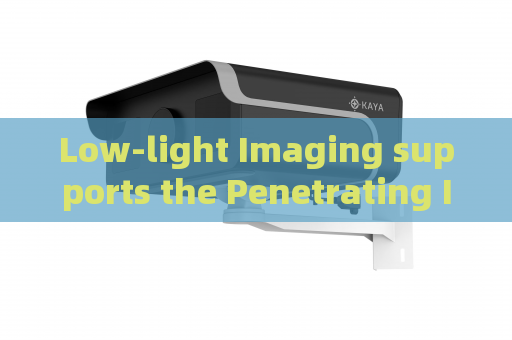
Continuing the same surveillance cycle, the operator shifts the aim toward the rear passenger window to scan the back seat, where a second subject lies low across the bench. The range gate is adjusted by two meters, and the penetrating imager again delivers a clear view through the vehicle glazing despite the occupant’s attempt to hide in darkness. The active laser system maintains its frame rate without blooming from the brake lights of a passing car, because the gated shutter only accepts light from the target distance. That single capability—seeing through automotive glass under low-light conditions—turns a stalled visual check into a decisive information advantage. The entire reconnaissance remains covert, as no visible light ever touches the suspect vehicle, and the team retains the element of surprise for the final tactical action.




