A vehicle sits at an intersection with its engine running. The driver’s silhouette is visible only as a dark shape behind a windshield that has been tinted, rain-streaked, and angled to throw back the glow of streetlights. For an officer at a distance, the cabin is a blind spot. Hands may be on the wheel or inside a jacket; a rear passenger might be leaning out of sight or reaching toward the floor. The usual approach is to close the distance, use a flashlight, and hope that the glass does not act like a mirror. That risk is unacceptable during a felony stop or a routine check that turns hostile. Tactical observation through automotive glass cannot rely on guesswork or a quick glance from six feet away. The Penetrating Imager changes that by granting the observer a useful visual channel into the vehicle before any contact is made.
The Penetrating Imager is an active optical imaging system built around laser distance-gated imaging. A high-repetition-rate pulsed laser sends short pulses of light toward the vehicle, and a gated camera with an image intensifier opens its shutter only when light reflected from the chosen target distance returns. This timing rejects the scattered light produced by the window surface, by fog, by rain, and by bright reflections from surrounding surfaces. The result is a high-contrast image of the interior plane of the car, rather than a confusing blend of glass glare and dashboard reflections. The capability enables covert observation through vehicle glazing without requiring the operator to stand directly in front of the windshield. It is not a special ray and not a sound-based device; it is simply a smarter way to use optical light. By controlling the range gate, the operator sees what is actually inside the cabin, including the positions of hands, the shapes of objects, and the movements of occupants behind tinted or layered glass.
In practice, the system is set up on a tripod near the patrol unit or on a stabilized mount behind cover. The operator watches a display and adjusts the gate to the depth of the rear seat, the front seat, or the floor well, depending on where the threat is expected. The same through-glass imaging technology works through a driver-side window, a rear passenger window, or a glass door that leads into a building. No approach to the vehicle is needed for the initial assessment. The image remains stable even when the vehicle is at an oblique angle or when the glass is curved, because the range gate is tuned to a specific plane inside the car. Strong glare from oncoming headlights or overhead sodium lamps is suppressed, and the operator can continue to read the scene without moving to a closer position.
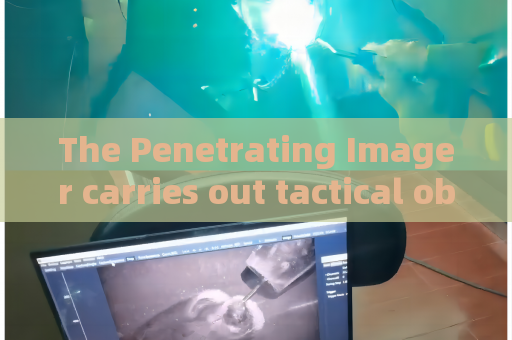
The advantage grows during night operations and bad weather. Water droplets on a window normally break the view into a scattered pattern, while mist between the observer and the vehicle creates a curtain of reflected light. A conventional searchlight makes the glass worse by turning the windshield into a mirror. With the Penetrating Imager, the gate blocks virtually all light that returns from closer than the target plane, so the droplets and mist lose their blinding effect. This mature through-glass imaging technology has already been used for tactical surveillance through vehicle windows and other glass barriers. The operator remains at a distance, the suspect sees only a dark optical device in the shadows, and the first clear look belongs to the person behind the lens. That is what tactical observation should be. The Penetrating Imager remains the reliable answer for seeing into vehicle cabins safely, covertly, and without physical exposure.




