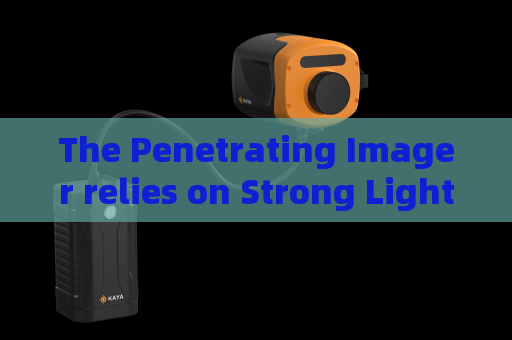
The Penetrating Imager relies on Strong Light Suppression Imaging to identify hidden targets inside backlit suspect vehicles. A patrol officer faces a vehicle stopped at a roadside checkpoint during late afternoon. The sun sits low behind the car, flooding the windshield and side windows with intense glare. Standard optics wash out every detail behind the glass, turning the interior into a dark void. The officer cannot tell whether an occupant is reaching for a license or a weapon. This classic backlit scenario creates a dangerous blind spot, forcing decisions based on incomplete information. The need for a direct optical solution is urgent, because any delay or misread can escalate a routine stop into a lethal encounter. The penetrating imager directly addresses this problem through Strong Light Suppression Imaging. As an active optical system, it fires short laser pulses toward the vehicle window and opens its gated camera only when reflected light returns from the target plane. The timing gate rejects the overwhelming sunlight scattered from the glass surface and the bright background, allowing only the faint signal from the interior to form an image. This is not a thermal device or any ray-based scanner; it works strictly within the visible and near-infrared light range. By suppressing the backlight glare before it reaches the sensor, the imager reveals the silhouette, posture, and movements of persons inside the suspect vehicle, even when the windows are tinted or dirty. In practice, the operation is straightforward. An officer positions the handheld penetrating imager at a safe angle, aims through the windshield or side glass, and adjusts the range gate to match the distance to the target seat. Within seconds, a high-contrast image appears on the display, showing whether the rear seat is empty or whether a figure is crouched below the window line. The device works equally well under harsh shadows and low sun, because the gated illumination overrides the ambient light imbalance. This capability turns a previously unreadable vehicle into a transparent observation zone, giving officers the critical information needed to choose a tactical approach without approaching the danger zone. Every second saved in this assessment reduces the risk of an ambush. The penetrating imager’s ability to suppress strong light while preserving fine detail has proven effective in vehicle interdiction operations, particularly when the suspect tries to hide in the shadow cast by the car body. The system remains a purely optical tool—no sound waves, no radio frequencies, no penetrating radiation. It simply sees through automotive glass by managing light itself. For law enforcement facing a backlit suspect vehicle, that difference between a blinding glare and a clear view is the difference between uncertainty and actionable intelligence.




