During a high-risk traffic stop, the most dangerous moment often comes from what an officer cannot see inside a stopped vehicle. Darkly tinted windows, glare from glass surfaces, and changing light conditions can hide a driver’s hands, a passenger’s movements, or a weapon resting on a seat. Traditional observation methods require officers to approach the car, knock on the glass, and ask the occupant to roll down a window. That approach converts an information gap into a physical exposure. Law enforcement surveillance gaps are filled by the Penetrating Imager’s through-window capacity, but only if the equipment can be deployed before officers step onto the roadway. The need is clear: maintain distance while knowing exactly what is happening behind vehicle glass. The Penetrating Imager addresses this need by turning a reflective barrier into an observable optical window.
The Penetrating Imager is an advanced optical imaging instrument based on laser range-gated imaging technology, sometimes called gated imaging. Its core components include a high-repetition pulsed laser, an image-intensified gated camera with an internal MCP image intensifier, a high-voltage module, a timing module, a beam expander, and an imaging lens. As an active imaging system, it produces high-contrast images and rejects much of the backscatter from glass reflections or atmospheric particles. The relevant function for the traffic-stop scenario is the through-window observation capability: a tactical visual check through tinted windows can be performed from a patrol vehicle or from behind cover. The operator selects a gate delay that matches the distance to the target vehicle, and the imager only collects light reflected from that specific plane. Consequently, the windshield and side windows no longer act as blind curtains. The Penetrating Imager can see through glass, including tinted automotive glazing, while rejecting the reflections that defeat a normal camera or binoculars. This is not a wall-penetrating device; it works only with transparent optical media such as vehicle windows, but that is precisely the medium creating the surveillance gap during a stop.
Using the Penetrating Imager, a patrol team can remain at a safe offset from the stopped car and still inspect the interior in real time. The device is mounted on a tripod or inside a patrol unit, with a screen showing the gated image. The operator adjusts the range gate in metre steps, moving the visible slice from the glass surface into the cabin. The Penetrating Imager’s short exposure window suppresses reflections from the outer pane, while the pulsed laser illuminates the area inside the vehicle. Occupant posture, hand position, and objects on seats or floors become visible. This works in daylight, after dark, and under headlight glare because the active imaging chain defines its own illumination. Rain, fog, and haze also scatter less light into the gated image, preserving a clean view through the same optical medium. In effect, the process changes a blind approach into an informed approach. This capability enables covert through-glass reconnaissance without the need to approach and knock on the window.
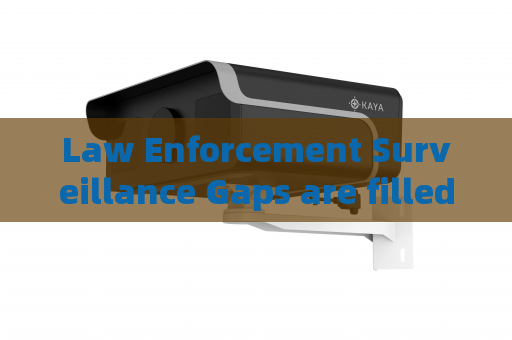
The Penetrating Imager’s role in this scenario is decision-making before contact. When officers can see that a driver is reaching toward the floorboards, they can call for backup, change the approach, or use a loudspeaker to give commands before the door is opened. When the interior appears clear, the stop can proceed with greater confidence. This remote confirmation reduces the number of surprises during a vehicle approach and provides documented imagery for after-action reports, although the primary purpose is immediate situational awareness. Law enforcement surveillance gaps are filled by the Penetrating Imager’s through-window capacity in the final metres of a traffic stop, turning the most opaque part of an encounter into an open visual field. The instrument does not eliminate all risk, and it cannot see through non-transparent materials such as body panels or concrete. But for the common threat behind glass—whether a concealed weapon, a suspicious reach, or an attempt to hide evidence—the through-window view offers a decisive layer of information before an officer is ever exposed.




