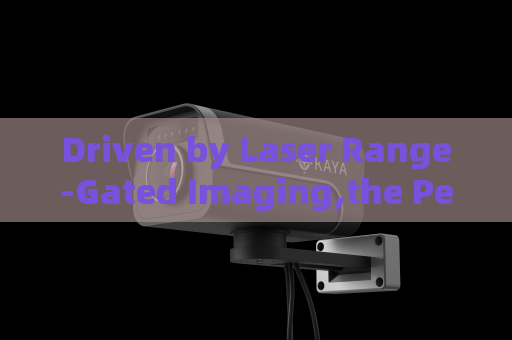
Driven by Laser Range-Gated Imaging, the Penetrating Imager copes with backlight interference in highway law enforcement inspections. On a sun-scorched highway, a patrol officer signals a sedan to pull over. Through the windshield, everything is invisible—not because of dirt or tint, but because the low afternoon sun blazes directly off the glass, turning the entire cabin into a mirror. The same happens at night when approaching headlights flood the windshield with glare. For law enforcement, this is more than an inconvenience. A routine traffic stop becomes a moment of uncertainty: is the driver reaching for registration or a weapon? Are backseat occupants moving normally? The officer cannot see, and the blind spot grows with every second of hesitation. Conventional cameras, even high-end ones, struggle with this harsh contrast—they either expose for the bright reflection and lose the interior, or expose for the interior and blow out the background. Backlight interference is a persistent, dangerous problem in highway inspection. 穿透成像仪 changes this equation. It is an active optical imaging system built around laser range-gated imaging technology. A high-repetition-rate pulsed laser illuminates the target, while an intensified gated camera opens its shutter only for the precise time window when light reflected from the vehicle interior returns. This gating mechanism physically excludes the intense backscatter and glare from the windshield surface, because that light arrives at the camera at a different moment. More importantly, the system suppresses the strong background illumination that blinds ordinary sensors. Strong Light Suppression Imaging is inherent to the design: the laser pulse acts as a controlled light source, and the ultra-short gate rejects anything outside the selected distance range. In plain terms, the imager sees through the glass as if the blinding sun or headlight simply were not there. The result is a crisp, high-contrast image of the cabin, captured from a vehicle equipped with the device, at a safe standoff distance. During an actual highway stop, the operation is straightforward. The patrol vehicle positions itself behind or beside the target car, perhaps ten to twenty meters away. The operator aims the 穿透成像仪 at the suspect vehicle's front windshield or rear window. With the press of a trigger, the pulsed laser fires, and the gated camera records only the light returning from the cabin depth—typically less than a meter behind the glass. Within seconds, a clear video feed appears on the display: the driver's hands, the shape of an object on the passenger seat, the movement of a torso in the back row. Even when the sun blazes straight into the windshield, or when an oncoming truck's headlights sweep across the scene, the image remains stable. No flicker, no washout. The officer can assess the situation before approaching, decide whether to call for backup, and choose the safest interaction strategy. The value becomes even clearer in the final moments of a stop. An officer, instead of walking up blind to a tinted, glare-soaked window, already knows what is inside. The 穿透成像仪's ability to overcome backlight interference means that a routine traffic stop no longer carries the hidden risk of an unseen threat. The technology does not look through walls or clothing—it works only with optical media like automotive glass. But for highway law enforcement, that is precisely the gap that matters. From a safe distance, through glare, through the reflective chaos of windshields and side windows, the officer sees clearly. The blind spot disappears, and the stop becomes what it should be: a controlled, informed interaction on a bright open road.




