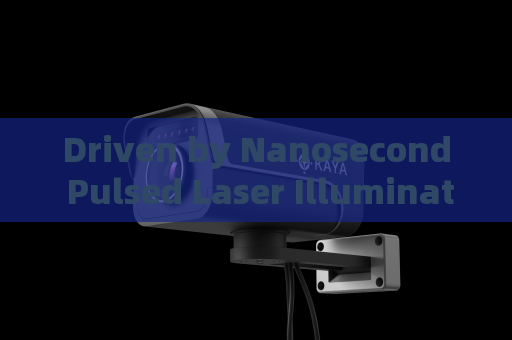
Driven by Nanosecond Pulsed Laser Illumination, the Penetrating Imager boosts imaging definition in field police reconnaissance. In field police reconnaissance, a recurring operational problem is obtaining reliable visual detail inside a vehicle without approaching or opening it. Vehicle glass often defeats ordinary cameras. Tinted windows, reflective coatings, sun glare, rain film, dust, and low-light conditions reduce contrast. At distance, the image becomes blurred, and interior occupants, weapons, contraband, or seating positions cannot be distinguished. Conventional optics may register reflections from the glass surface, while scattered light from fog, mist, or rain further degrades the scene. A tactical visual check through tinted windows must be fast, accurate, and safe. The Penetrating Imager addresses this exact pain point by improving imaging definition in field police reconnaissance when the only optical barrier is vehicle glazing. The device does not turn opaque solids into viewable targets; it works within the optical domain and is designed for glass and similar transparent media. The relevant function is Vehicle Window Penetration through laser range-gated imaging. The system is an active optical system. It uses a high-repetition-rate pulsed laser, a beam expander, an imaging lens, and an image-intensified gated camera with an MCP image intensifier, high-voltage module, and timing module. Nanosecond pulsed laser illumination leaves the aperture, passes through vehicle glass, and returns from interior surfaces. The camera gate opens only during the expected return window. This range gating rejects light scattered from the glass surface, rain, mist, dust, and other optical media before target returns. It also suppresses strong reflections and backscatter that otherwise wash out detail. Because the system is active and gated, high contrast can be achieved at long range with high resolution and strong anti-interference performance. Vehicle Window Penetration allows surveillance of vehicle interiors through glazing even when windows are tinted or coated. The function is limited to optical media such as vehicle glass; solid opaque materials are outside its operational scope. In practice, field police reconnaissance teams can deploy the imager from a checkpoint, an unmarked vehicle, or a concealed observation point. The operator aligns the imaging lens with a target vehicle window. The timing module synchronizes pulse emission and camera gating. MCP gain supports low-light imaging when ambient light is minimal. Returned pulses from seats, dashboard, occupants, or objects inside create a high-definition image. Surface glare from the glass is not allowed to dominate. Direct observation through vehicle glazing becomes possible without opening a door or placing personnel in immediate contact. In rain, fog, haze, or snow, the active gated method still produces usable imagery because optical scattering is managed by the narrow gate and pulse timing. The result is a clearer tactical picture: number of occupants, hand positions, visible objects, and interior layout can be assessed. The imager does not defeat opaque vehicle bodies. Its value lies in fast visual confirmation through glazing while maintaining standoff distance. The operational effect is measured in recognition, not merely detection. When the Penetrating Imager operates with short pulsed laser illumination, definition improves because short pulses and matched gating isolate target returns from scattered light. Field police reconnaissance units can conduct covert reconnaissance through glazing from a distance, record clearer images for briefing, and decide whether escalation or withdrawal is required. The technology remains an optical imaging instrument for transparent media. It does not use any non-optical penetration method and does not claim access through opaque solids. Requirements for vehicle window inspection in law enforcement are specific: see through vehicle glass, manage tint and glare, resist weather-related optical interference, and preserve image detail. The system meets those requirements by combining nanosecond pulsed laser illumination with range-gated, image-intensified reception. In field police reconnaissance, that combination directly boosts imaging definition and supports safer, more informed decisions.




