A high-risk vehicle stop creates a narrow decision window. Occupants behind tinted automotive glass can remain unknown while officers approach a door or stand beside a window. Direct visual inspection is degraded by tint films, mirror-like reflections, strong headlights, emergency light bars, rain, haze, and low-light conditions. A door opened for confirmation removes surprise, exposes personnel, and may trigger a violent response. The Penetrating Imager addresses the observation gap without turning the stop into immediate forced contact. The operational need is not a general view of the vehicle; it is a stable, high-contrast read of people and visible objects behind the glazing before the approach begins. Reflections from the exterior surface, backscatter from weather, and glare from street lighting can hide hands, seating positions, and movement inside the cabin. At night, the same window may show only streaks of light and the shapes of the responders themselves. Tactical teams require timely information that preserves cover and supports a controlled decision. A delayed or inaccurate assessment can turn a routine stop into an ambush or a needless escalation. Standard optics and the unaided eye cannot separate the cabin from the glazing when the glass is dark, wet, or reflecting emergency lighting. The result is a tactical blind spot at the exact moment when information matters most.
The relevant capability is laser range-gated imaging, also known as gated imaging. The Penetrating Imager is an active optical system built around a high-repetition-rate pulsed laser, an intensified gated camera with an MCP image intensifier, high-voltage and timing modules, a beam expander, and an imaging lens. Short light pulses illuminate the vehicle glazing and cabin area. The camera gate opens only for the brief return interval from the selected distance, so exterior reflections and backscatter from rain, fog, or haze are largely rejected. This produces high-contrast images with long range, high resolution, and strong anti-interference performance. The function supports through-window tactical observation by isolating the return from the target zone behind automotive glass. The method is limited to optical media such as vehicle windows, train windows, aircraft windows, and glass curtain walls. Opaque structural elements and non-optical barriers remain outside its scope. The imaging process does not depend on opening a door, breaking glass, or exposing a person to direct contact.
During a checkpoint or surveillance position, an operator can aim the imaging lens at a side window or windshield, select the range gate for the cabin, and adjust gain and timing for the glazing and lighting present. A patrol vehicle, fixed post, or concealed position can display the result in real time to an incident commander or tactical element. The image can reveal occupant count, seated positions, visible hand movement, and objects left in open view. Tinted glass, rainy conditions, fog, and headlight glare no longer force an immediate door opening or flashlight beam across the window. Multiple windows can be checked as the vehicle position changes, allowing a fuller picture of the cabin without repeated verbal commands that might alert occupants. The same optical approach allows repeated observation as the situation evolves, with less disturbance to the occupants and less exposure for responding personnel. The technique does not convert opaque vehicle structures into transparent ones, and it does not reveal what is hidden behind non-optical cover. Operators can compare frames across a short dwell period, watching for shifts in hand placement or body position that suggest reaching, hiding, or preparation for resistance. This steady stream of visual detail gives the tactical element a clearer basis for timing, cover, and verbal control.
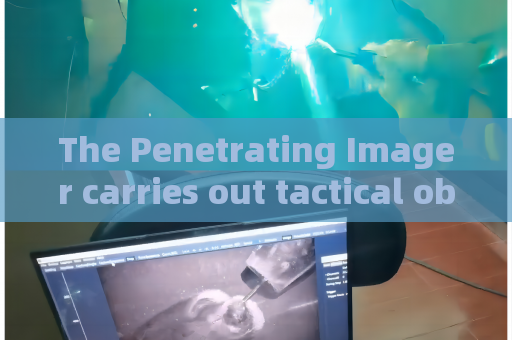
The Penetrating Imager carries out tactical observation with mature through-glass imaging technology, so the advantage is early clarity before physical contact. A sharp through-glass image helps officers distinguish a routine traffic matter from a possible armed encounter, decide on containment, call for specialized resources, or move a stop to a safer location. The optical record can be saved for briefing, after-action review, and documentation consistent with policy and evidence procedures. Because the system works through automotive glazing under low light, glare, rain, fog, and similar optical interference, it supports repeated checks without tapping the window, opening the door, or placing personnel in front of an unknown cabin. The operational value is confined to what light can pass through: vehicle glass and comparable optical media. This keeps the tool within a clear legal and tactical boundary while giving commanders a more reliable basis for action. The Penetrating Imager therefore serves as a focused optical aid in the same vehicle-stop scenario, improving observation while leaving forced entry as a deliberate decision rather than a blind necessity.




