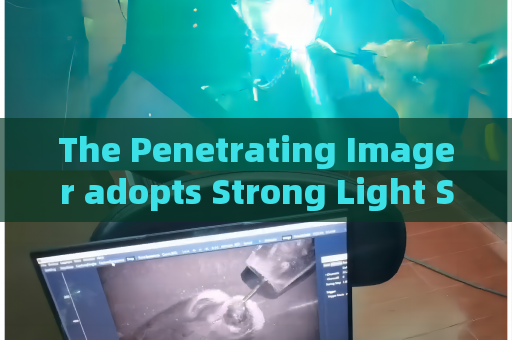
The Penetrating Imager adopts Strong Light Suppression Imaging for vehicle inspection under highway backlight conditions Highway backlight conditions create a difficult optical problem for vehicle inspection. During dawn, dusk, or low-sun periods, a vehicle approaching a checkpoint can carry intense glare on its windshield, side glass, and chrome trim. The sun sits behind the target vehicle, so the side facing the inspection point falls into deep shadow while reflective surfaces throw overpowering light into ordinary visible cameras and the human eye. Windshield rake, tinted glazing, rain film, and road spray compound the loss of contrast. Officers need to assess the cabin through closed windows: occupant count, driver behavior, seatbelt use, and plain-view items on seats or dashboards. When the background light is stronger than the light returning from the cabin, the glass becomes a mirror. The Penetrating Imager is built for this optical environment, where the task is not to see through solid structures but to recover a clear view through vehicle glazing despite severe backlight. The relevant capability is Strong Light Suppression Imaging. The Penetrating Imager is an advanced optical imaging instrument that uses laser range-gated imaging, also called gated imaging. It is an active imaging system composed of a high-repetition-rate pulse laser, an image intensifier gated camera with an MCP image intensifier, high-voltage module, timing module, beam expander, and imaging lens. Short laser pulses illuminate the scene, and the camera gate opens only for the brief return window from the selected distance. Continuous glare from the sun, oncoming headlights, or checkpoint floodlights does not fall into that narrow gate. Backscatter from rain, fog, haze, snow, or dirty glass is also rejected. The result is high-contrast imaging with long range, high resolution, and strong anti-interference performance. The system can penetrate optical media such as vehicle window glass, tinted glazing, and windscreens. It can operate through fog, haze, rain, and snow. It does not pass through solid opaque barriers; the inspection path must remain optical. At a highway checkpoint, the operational effect is direct. The imager can be set on a tripod or vehicle mount and aimed at the approach lane. As a car crosses the capture zone, the pulsed laser and gated camera deliver a through-glass view of the cabin even when the sun is directly behind the roof line. The image can reveal silhouettes of occupants, seating positions, shoulder belts, and objects held in plain view. This supports rapid screening without requiring every driver to lower a window or step out into traffic. In rain or haze, the same gating logic reduces scattering noise, so the lane does not have to shut down merely because weather and backlight combine. The system does not defeat privacy or legal boundaries beyond optical inspection; it simply restores visual access through automotive glazing where glare would otherwise block observation. A deeper advantage appears in mixed lighting. At night, opposite headlights and high-mast lamps can saturate a conventional view, while a low sun at dawn can wash out the entire lane. Strong Light Suppression Imaging uses time separation rather than raw brightness. The camera listens for the returning laser pulse within a precise time slice, so the brightest background light is ignored. The Penetrating Imager therefore supports tactical visual checks through tinted windows, windshield glass, and side glazing while officers remain at a safer distance. It cannot see through vehicle body panels, sealed cargo, or opaque covers, and it does not replace physical inspection when legal grounds exist. Within its optical scope, it turns highway backlight from a vision barrier into a manageable condition for vehicle inspection.




