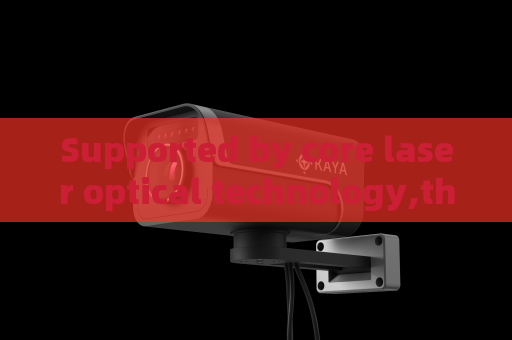
Supported by core laser optical technology, the Penetrating Imager acquires clear images behind military vehicle windshields. Military vehicle windshields are engineered to protect occupants, yet the same laminated glass, tinting, and reflective coatings create a stubborn optical barrier for through-glass surveillance. At checkpoints, convoy halts, or perimeter control points, conventional cameras and direct-view optics often capture surface glare, sky reflection, or dashboard glow instead of the interior. A dark cabin behind bright glass can conceal seat positions, hand movements, equipment, and occupant identities. Rain, dust films, and low light worsen the problem. Security teams need a reliable tactical visual check through tinted windows without opening doors, exposing personnel, or delaying movement. The risk is immediate: an unseen occupant, a weapon, or a communication device can change the response decision. The Penetrating Imager is designed for this exact optical challenge, where the target is not hidden behind solid armor but behind a transparent or semi-transparent window that still defeats ordinary observation. The Penetrating Imager is an advanced optical imaging instrument built on laser range-gated imaging, also known as gated imaging. Its active architecture combines a high-repetition-rate pulsed laser, an image-intensified gated camera with an MCP image intensifier, high-voltage module, timing module, beam expander, and imaging lens. Short laser pulses pass through the windshield glass. The camera gate opens only for the brief return from objects behind the glass, while surface reflection and backscatter from the windshield are rejected. This timing control produces high-contrast images, long operating range, high resolution, and strong anti-interference performance. The system can overcome backward scattering that blurs passive optics. It works through optical media such as vehicle window glass, laminated windshields, and tinted glazing. In the military vehicle scenario, the relevant function is the ability to isolate the return from the cabin and suppress the glare layer on the windshield. The result is a clear view of occupants, seating layout, and visible equipment behind the glass. The operational focus remains optical barriers such as windshields and windows; opaque barriers are outside its function. In field use, a checkpoint or convoy security team can place the Penetrating Imager on a tripod, vehicle mount, or handheld stabilized platform at a safe standoff. The operator aligns the imaging lens with the target windshield. The pulsed laser illuminates the glass and cabin area. The gated camera captures the returning light from behind the windshield while filtering the stronger reflection from the outer surface. Within seconds, the display shows a tactical image of the interior. Occupant count, posture, hand placement, and visible gear can be assessed before a close approach. The same method supports tactical observation on stopped or slow-moving vehicles. In low-light conditions, the active laser illumination maintains image quality without relying on cabin lights. Rain, fog, haze, and snow can degrade ordinary optics, but the range-gated design maintains useful contrast by rejecting scattered light. The operational value is speed and distance: a decision can be made from cover, with less exposure to unknown threats. At a military checkpoint, the workflow stays focused on the windshield. A suspect vehicle approaches. The Penetrating Imager is aimed at the driver or passenger side. The image reveals whether the driver is alone, whether hands are visible, and whether equipment is within reach. If the view is obstructed by heavy dirt, deep tint, or a reflective sunshade, the system cannot create information beyond the optical limit, and standard escalation procedures apply. When the windshield is clear enough for light to pass, the instrument provides a rapid optical assessment that supports stop-or-hold decisions. For convoy protection, the same capability can check parked or halted vehicles at a distance, reducing the need for immediate physical contact. The Penetrating Imager does not replace direct inspection or physical search; it adds a fast optical layer before contact. Its value rests on core laser optical technology that acquires clear images behind military vehicle windshields.




