Tactical scene detection around vehicles often stalls at the glass. A stopped car at a checkpoint, a suspicious van in a parking area, or a vehicle linked to an active incident can present tinted windows, reflective glazing, and poor illumination. Standard cameras record bright reflections from streetlights, headlights, and emergency beacons while the passenger compartment remains dark and indistinct. Officers need to assess movement, seating positions, objects in hand, and immediate threats without opening a door or exposing officers beside the vehicle. Conventional low-light cameras may amplify the scene, but they also amplify glare; long lenses can compress the view; direct illumination can reveal the observation position. The problem is not visibility alone; it is the combination of low light, bright glare, window tint, and rapid decision pressure. A Penetrating Imager addresses this exact gap by using controlled light and gated timing to isolate the useful return from the glass and the interior scene.
The relevant function is the imaging chain built around laser range-gated technology. A high-repetition-rate pulse laser emits short pulses; a beam expander shapes the beam; an imaging lens collects returned light; and an image intensifier camera with an internal MCP image intensifier, high-voltage module, and timing module opens its gate only for the selected distance slice. This active, gated method suppresses backscatter from the windshield or side glass and rejects much of the ambient glare. The gate width and delay define the depth slice, so the imager can favor the front seat, rear seat, or cargo area while ignoring reflections from the outer glass surface and nearby street furniture. In tactical vehicle checks, the selected slice can be set to the passenger compartment, allowing through-window tactical observation while the glass remains intact. The system is an optical imager; its penetrating capability is limited to optical media such as vehicle windows, train windows, aircraft windows, and glass curtain walls. It can also work through fog, haze, rain, and snow as optical disturbances. For the vehicle-glass scenario, the practical benefit is high-contrast imaging at long distance, high resolution, strong anti-interference, and effective backscatter suppression.
In operation, the unit can be mounted on a tripod, vehicle roof, or concealed observation post. An officer aligns the imaging lens toward the target vehicle. The pulse laser illuminates the glazing and interior. The timing module delays the camera gate to match the round-trip time to the chosen plane. The MCP intensifier amplifies the weak return, producing a low-light image with high contrast. At night, image intensification reduces the need for visible illumination, which helps maintain a low profile. During daytime, strong-light suppression prevents headlights, sun glare, and reflective shopfronts from washing out the interior. The result is a tactical visual check through tinted windows without approaching the door handle or creating a visible beam. A stable mount and precise focus are essential; small changes in angle can alter the glass reflection path. Officers can compare live frames with recorded stills to track movement inside the cabin. The same setup can support through-glass surveillance of multiple vehicles in sequence, as long as the observation window is glass or another optical medium. The image can be recorded for incident documentation or transmitted to a command element for real-time assessment.
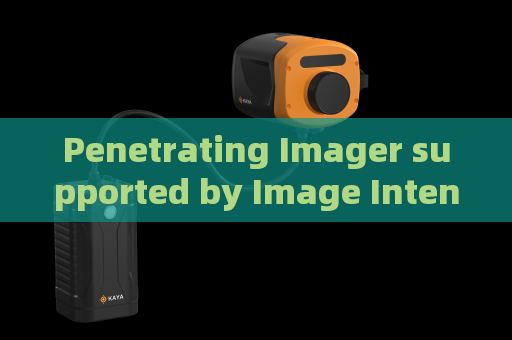
The operational value in tactical scene detection is decision speed. A vehicle stop can turn on whether a driver is reaching for a document, a phone, or a weapon. Penetrating Imager supported by Image Intensifier Camera for tactical scene detection gives officers a clearer view of that interior layout before a verbal challenge or physical approach. It supports standoff assessment, reduces surprise, and helps position cover and control. The system does not replace direct observation or safe tactics; it improves the information available through vehicle glazing when light, tint, and reflection would otherwise defeat a conventional camera. Careful gate selection and stable mounting are important. Range, angle, and glass condition affect results. Clean glass, moderate tint, and a clear line of sight produce the best imagery. Heavy dirt, reflective coatings, or multiple laminated layers can reduce return. Within those limits, the penetrating imager offers a focused optical capability for one high-risk task: seeing into a vehicle during tactical scene detection without touching the glass.




