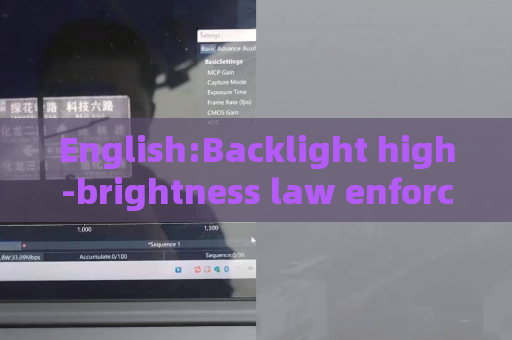
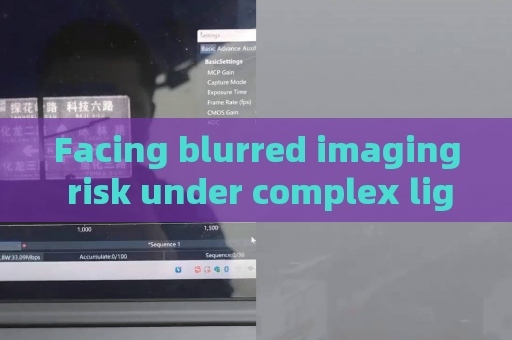
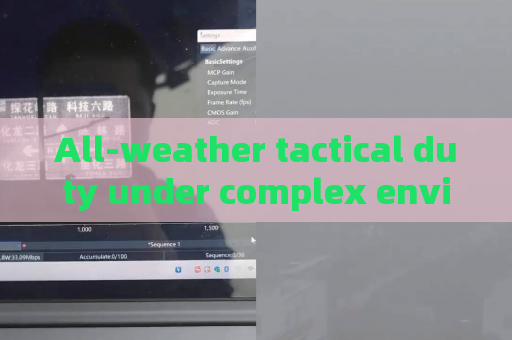
Tactical scene detection around vehicles often fails at the glass. Suspects inside cars, vans, or buses are shielded by laminated windshields, side windows, and rear glazing. Tinted film and reflective coatings reduce visible detail. Streetlights, headlights, and emergency beacons produce veiling glare. Rain, fog, and dust scatter light across the viewing path. Officers attempting a visual check with white light expose their position and still see only reflections, silhouettes, or a dark interior. A penetrating imager addresses this exact operational gap: identifying occupants, hands, weapons, or cargo through vehicle glass before a stop, roadblock, or tactical approach. The need is not to see through the vehicle body. The need is to gain reliable, high-contrast optical intelligence through transparent and partially transparent glazing while remaining at a safe distance and under low-light conditions.
The relevant function is laser range-gated imaging supported by an image intensifier camera. A high-repetition-rate pulsed laser sends short optical pulses toward the target vehicle. The beam expander shapes the illumination across the glazing. The imaging lens collects returning light. Inside the gated camera, an MCP image intensifier, high-voltage module, and timing module synchronize the shutter with the laser pulse. The gate opens only for a narrow time window corresponding to the selected distance. Light reflected from the window surface, rain droplets, fog, or intervening haze arrives outside that window and is largely rejected. This active imaging design produces high contrast, long range, high resolution, and strong anti-interference performance. It overcomes backscatter that degrades conventional night vision. Through-glass surveillance becomes possible because the system advances the optical channel through automotive glazing, including tinted side windows and windshields, without relying on intrusive illumination. Strong light suppression reduces blooming from oncoming headlights or scene lamps. Low-light imaging remains effective when ambient illumination is absent or uneven. The optical path is limited to transparent or partially transparent media; opaque structural materials remain outside its capability.
In practice, an operator positions the penetrating imager on a tripod or vehicle mount and aligns it with a target car from cover. The range gate is set to the distance of the vehicle interior rather than the exterior glass surface. The pulsed laser illuminates the cabin through the window, and the gated camera receives the returning light from seats, occupants, or objects. The resulting real-time image can reveal whether a driver is alone, whether rear passengers are present, whether hands are visible, and whether objects on the dashboard or seats match a threat pattern. The system can be used during a checkpoint screening, a covert observation post, or a pre-assault confirmation. Because it does not require a bright searchlight, the observation remains discreet. In rain, fog, or snow, the range-gating function suppresses much of the scattered light that would otherwise wash out the image. In low light, the image intensifier compensates for weak returns. The same optical principle is not intended for opaque structural materials, so the tactical assessment remains grounded in what can actually be observed through glazing.
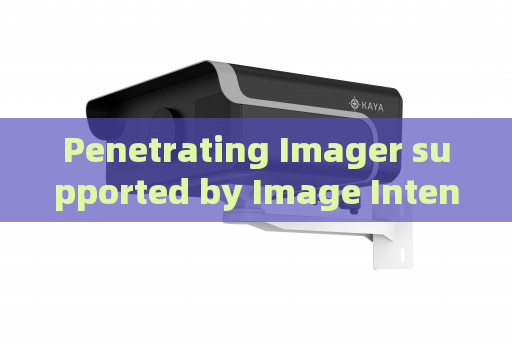
For tactical teams, the value lies in decision speed and force protection. A vehicle approaching a checkpoint can be examined before contact. A parked suspect vehicle can be monitored from a concealed position. A bus or van with reflective windows can be checked for occupants without opening a door or shining a light inside. The imagery can be recorded for briefing or evidence, and the live feed can be shared with a command element. Operators require training on gate delay, gain control, and angle management, because oblique glass surfaces and multiple reflections can complicate the return. When the geometry is correct, the penetrating imager supported by an image intensifier camera for tactical scene detection provides a focused optical advantage: clearer observation through vehicle glass, reduced signature, and better target discrimination in adverse weather. It is not a substitute for physical search or other inspection methods. It is a specialized optical tool for one specific tactical problem: seeing through glazing before the situation forces a closer, more dangerous contact.