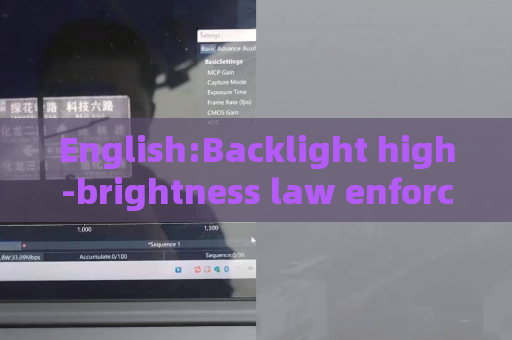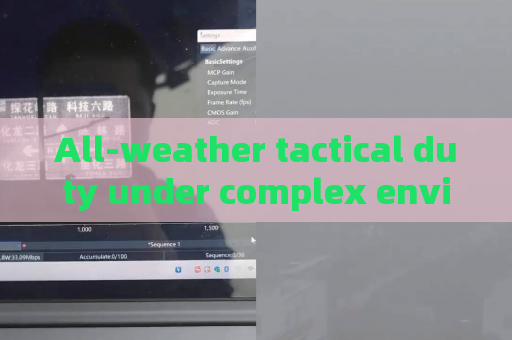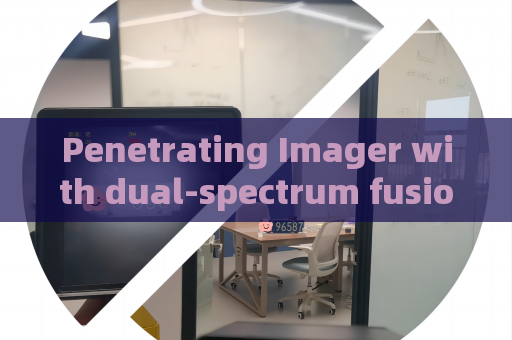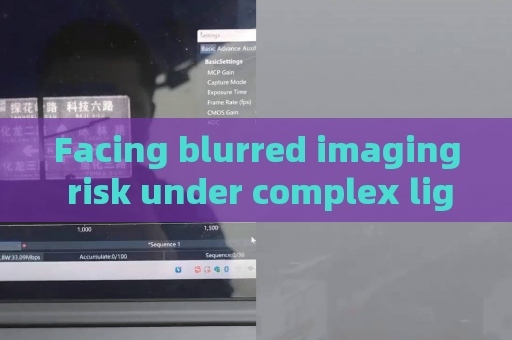
Facing blurred imaging risk under complex light conditions, Penetrating Imager relies on Strong Light Suppression Imaging to obtain clear frames At vehicle checkpoints and high-risk traffic stops, through-window tactical observation becomes fragile when light turns hostile. Low sun across a windshield, headlights aimed at glass, flashing emergency lights, wet reflective glass, tinted side windows, rain, haze, and road spray can wash out detail or leave only glare. A frame that should show a driver’s hands, passenger positions, or sudden movement may dissolve into streaks and halos. The operational cost is immediate: delayed threat assessment, ambiguous compliance cues, and unsafe approaches. Penetrating Imager is designed for this narrow but critical optical problem. It does not treat glass as an opaque barrier to be defeated; it works through optical media such as vehicle windows while resisting the strong light that causes blur. The need is not more magnification. The need is a clear frame under punishing illumination. The system is an advanced optical imaging instrument built on laser range-gated imaging, also called gated imaging. A high-repetition-rate pulsed laser emits short light pulses; a beam expander shapes the illumination; an imaging lens collects the returned light; and an image-intensified gated camera with an MCP image intensifier, high-voltage module, and timing module opens its gate only for a very brief, selected interval. This active imaging method enables high-contrast imaging with long range, high resolution, strong anti-interference performance, and effective suppression of backscatter. Its strong light suppression imaging function is the operative answer to the checkpoint problem. By timing the gate to the distance of the vehicle glazing and the interior behind it, the system rejects much of the glare from headlights, emergency strobes, wet glass, and bright backgrounds. The result is a readable image through vehicle glass under harsh illumination. The instrument remains limited to optical media, including vehicle windows, high-speed rail windows, aircraft windows, and glass curtain walls. It also works despite fog, haze, rain, and snow interference. During a stop, a tactical team can mount the imager on a vehicle or tripod and align it with a side or rear window. The operator selects a gate delay matched to the glass distance and the interior depth of interest. Short laser pulses illuminate the scene through the window; the gated camera accepts only the returning light that arrives in the chosen window of time. The gate delay can be adjusted as the vehicle shifts or as glass curvature changes the reflection pattern. A longer gate may gather more return from deeper inside the cabin, while a shorter gate cuts more surface glare. This control keeps the view stable when headlights sweep across the glass or when rain droplets break the light into bright streaks. Surface reflections and strong ambient light are largely excluded before they can blur the frame. This operational method supports through-glass surveillance without exposing an officer directly in front of the glass. The displayed image can reveal occupant posture, hand movement, seat positions, and the presence of visible objects behind the glazing. In rain, fog, or nighttime glare, the same setup can maintain a usable view where unaided observation fails. The benefit is not supernatural penetration through solid materials. It is disciplined optical control through glass and adverse light. The practical value appears in fast, repeated checks along a checkpoint line. Vehicles arrive with tinted windows, rain-streaked glass, and headlights that flare across the windshield. Emergency lights pulse from multiple angles. A conventional view may show only reflections. Penetrating Imager uses gated active imaging to obtain clear frames through the glazing, giving officers a steadier basis for decisions. The system can be positioned for covert observation, reducing the need to approach a vehicle before the interior is visually assessed. Recorded frames can support post-incident review and training. Under such illumination, the advantage is narrow and precise: better visual access through optical media, stronger rejection of glare, and steadier images for tactical judgment. The system does not replace sound tactics, but it sharpens the first visual question at the window: what is actually inside?