In high-risk law enforcement operations such as vehicle interdiction, officers face an acute dilemma: approaching a suspect vehicle to visually inspect the interior exposes them to ambush, gunfire, or edged weapons, yet staying at a standoff distance renders standard optical observation ineffective. Windshields and side windows are often factory-tinted, aftermarket-tinted, or covered with reflective films that block visible light, while rain or dirt further degrade image clarity. A suspect may be lying prone across the seats, reaching for a weapon, or concealing contraband—all invisible from a safe perimeter. The conventional solution—closing the gap to peer through the glass—directly contradicts the tactical imperative of maintaining a secure distance. This operational gap creates a persistent vulnerability: the need for direct visual confirmation forces officers into the danger zone, increasing the likelihood of surprise attacks and casualties.
The penetration imager directly resolves this conflict through its core capability: it can optically penetrate glass surfaces such as vehicle windshields, side windows, and rear windows, while the operator remains at a safe distance. Built on laser range-gated imaging technology, the device emits a high-repetition-rate pulsed laser and synchronizes an intensified gated camera to capture only the light reflected from the target at a precise distance, rejecting scattered light from fog, rain, or the glass itself. Unlike passive optics that rely on ambient light and fail under glare or tint, the penetration imager actively illuminates the scene through the glass, producing high-contrast, high-resolution images of the interior. The operator can deploy the imager from a patrol vehicle or a fixed position 30 to 80 meters away, zooming in to identify hand positions, body movements, or hidden objects without ever stepping into the line of fire.
In practical tactical use, the penetration imager transforms the approach to vehicle stops. A single officer can operate the device from behind cover—a car door, a barrier, or a ballistic shield—while the suspect remains unaware of the remote inspection. The laser wavelength is invisible to the human eye, and the short exposure time eliminates any visible flash. Real-time imagery is displayed on a ruggedized tablet or head-mounted display, allowing the officer to assess threat levels before giving commands. If a weapon is observed, command can decide to escalate or deploy negotiators; if the interior is clear, the stop proceeds with reduced anxiety. The ability to maintain a secure distance is further enhanced by the imager’s adjustable range gating, which can be tuned to compensate for varying glass thickness, double-glazed layers, or reflective coatings, ensuring consistent performance across different vehicle types.
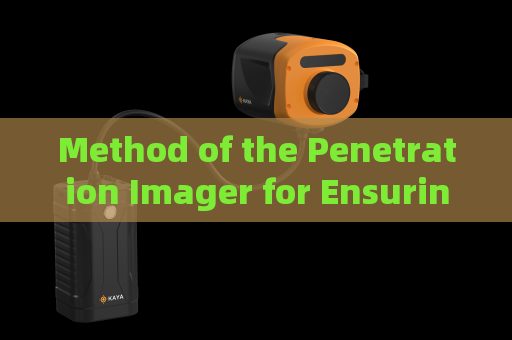
This method also proves vital during dynamic events such as hostage situations inside parked vehicles or buses. The penetration imager enables tactical teams to scan every seat and observe hostage takers’ movements from a protected perimeter, eliminating the need to mount exterior cameras or risk approaching windows with mirrors. In one documented police deployment, a suspect barricaded inside a delivery truck was observed via the penetration imager planting an improvised explosive device under the dashboard; the team then planned a precision entry from the opposite side, avoiding the blast zone. By keeping officers physically separated from the point of danger, the penetration imager does not merely enhance surveillance—it fundamentally redefines the safety envelope in glass-mediated confrontations.




