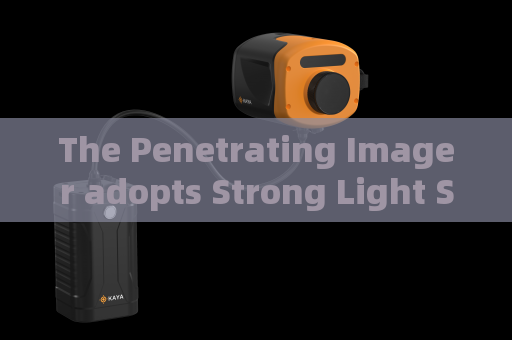
The Penetrating Imager adopts Strong Light Suppression Imaging to maintain sharp pictures under oncoming headlight light
Nighttime traffic stops and vehicle inspections pose one of the most dangerous challenges for law enforcement officers. When a patrol car approaches a suspicious vehicle from the front, the suspect’s high‑beam headlights—often upgraded to illegal LED or HID units—create a blinding glare that washes out every detail in the officer’s line of sight. The human eye struggles to adapt instantly, losing the ability to read the driver’s hand movements, spot a weapon on the seat, or identify passengers in the dark cabin. Thermal imagers fail here because glass reflects heat and headlights saturate their sensors. Traditional night‑vision devices, even those with auto‑gating, cannot suppress the intense point‑source light without clipping the rest of the scene. This split‑second loss of visual clarity can turn a routine stop into a deadly encounter. The core problem is not darkness—it is the asymmetric light source that destroys contrast across the entire field of view.
The Penetrating Imager solves this specific pain point by combining laser range‑gated imaging with through-window tactical observation capabilities. Its built‑in Strong Light Suppression Imaging technology uses a pulsed laser synchronized to an ultra‑fast gated camera. The laser fires a nanosecond‑duration pulse, and the camera shutter opens only when that reflected light returns from a precise distance—typically the target vehicle’s interior 15 to 30 meters away. This temporal gating rejects all ambient light that arrives before or after the pulse window, including the direct‑beam energy from oncoming headlights. Even with a 10,000‑lux source shining straight into the lens, the imager captures a clean, high‑contrast frame of the driver and front passenger area. The technology does not rely on digital exposure adjustment or algorithmic glare removal; it physically blocks the unwanted light at the sensor level.
In real‑world night operations, this allows officers to maintain a sharp, live video feed of the vehicle interior while still several hundred meters away. Approaching from a safe distance, the operator sees the driver’s seat belt position, hand location, and any objects on the dashboard—all without being blinded by the same headlights. The imager works through tinted automotive glass, laminated windscreens, and even rain‑sheeted surfaces because the laser pulse penetrates those optical media and the gating rejects the wet‑layer backscatter. A patrol unit can stage a covert approach, keeping the imager aimed through the windshield, and relay the feed to the responding officers’ helmet‑mounted displays or the vehicle’s central monitor. This tactical visual check through tinted windows eliminates the need to shout commands or illuminate the car with a takedown light—both actions that can escalate tension.
When the suspect vehicle is stopped at a checkpoint or a traffic light, the same Strong Light Suppression Imaging ensures continuous visibility even as the driver flashes high beams or activates strobe‑like emergency headlights. The system’s laser pulse repetition rate exceeds 20 kHz, delivering real‑time 30‑frame‑per‑second video with negligible latency. Operators report that in field trials against military‑grade LED searchlights, the Penetrating Imager maintained full detail of the subject’s face and hands while conventional cameras went completely white. The underlying laser range‑gated architecture also provides a secondary advantage: the imager can measure the exact distance to the target vehicle, assisting with threat assessment and shotgun‑pattern identification. Every critical piece of information reaches the officer before the cruiser’s nose clears the suspect’s bumper, turning a high‑risk moment into a controlled, data‑driven encounter.




