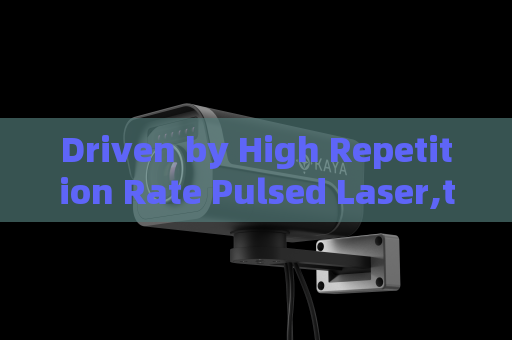
Driven by High Repetition Rate Pulsed Laser, the Penetrating Imager ensures stable imaging for cross-border anti-smuggling police. At border checkpoints and remote crossing points, anti-smuggling police face a persistent challenge: inspecting vehicles without compromising safety or operational surprise. Smugglers often conceal contraband, weapons, or human cargo behind heavily tinted or reflective automotive glass. Standard optical surveillance equipment fails under such conditions—the glare from sunlight, the opacity of dark films, and the narrow field of view force officers to approach vehicles physically, escalating risk. Night operations and adverse weather like fog or rain further degrade visibility, turning every routine stop into a hazardous guess. The core dilemma is how to see through car windows from a safe distance, with clarity and reliability, without alerting suspects or relying on dangerous close-proximity checks. The Penetrating Imager directly addresses this gap. This advanced imaging system leverages a high repetition rate pulsed laser synchronized with an intensified gated camera, employing laser range-gated imaging technology. By emitting ultrashort laser pulses and opening the camera’s shutter only when the reflected light from the targeted vehicle window arrives, the system effectively rejects backscatter from fog, rain, or atmospheric particles. This enables see-through vehicle glass imaging even through heavily tinted or multi-layered automotive glazing. The active illumination provides consistent contrast regardless of ambient light, and the high repetition rate ensures frame stability without flicker or lag. Unlike passive systems, this imager does not rely on heat signatures or external light sources, making it immune to strong headlights or shadowed cabin interiors. The result is crisp, real-time visuals of the vehicle’s interior—seats, cargo area, occupants—captured from a standoff position. In practice, the penetrating imager transforms tactical operations. Officers deploy the system from a patrol vehicle or a concealed position dozens of meters away, aiming the laser and camera module at the suspect car. Within seconds, a high-resolution image appears on a handheld monitor, revealing the number of individuals, their movements, and any visible contraband. Because the device operates covertly—no visible light or sound gives away the surveillance—the element of surprise remains intact. During night missions, the Penetrating Imager maintains full functionality, delivering clear imagery under zero ambient light. When smoke from burning vehicles or dust clouds obscures the scene, the gating mechanism filters out the scattering particles, restoring visibility. This technology reduces the need for officers to break cover or risk exposure during close approaches. The operational flow is streamlined for field use. After selecting a vantage point, the operator adjusts focus and laser divergence to match the target distance. The imager’s built-in stabilization compensates for hand tremor or vehicle vibration, ensuring steady frames even at long range. Real-time video feed can be transmitted to command centers or shared among team members via encrypted data links. In cross-border anti-smuggling contexts, this capability allows a single officer to assess a row of vehicles without moving between them, cutting down the time per stop and increasing throughput at checkpoints. The system’s resilience to fog, rain, and glare means adverse weather no longer halts operations. By providing a reliable optical window into otherwise opaque vehicles, the Penetrating Imager gives border police a decisive tactical advantage—one that saves lives, intercepts contraband, and upholds the integrity of national borders.




