At bonded zones, where high-value goods and sensitive cargoes are frequently transported, vehicle screening presents a persistent and challenging problem. Conventional inspection methods often require officers to physically approach vehicles, ask drivers to roll down windows, or use mirrors and flashlights to peer inside. These procedures are not only time‑consuming but also expose personnel to direct physical threats, such as concealed weapons or hazardous materials. Moreover, many vehicles arriving at bonded zones feature heavily tinted windows or aftermarket coatings, making it nearly impossible to visually confirm interior contents through normal observation. Existing optical tools, like standard binoculars or handheld cameras, struggle to capture useful images through automotive glass under such conditions. This creates a dangerous blind spot in the screening process, where threats can remain hidden behind glass that appears opaque to the naked eye. The core need, therefore, is for a non‑contact, stand‑off imaging solution that can see through vehicle windows without requiring any physical interaction or modification to the vehicle itself.
The Penetrating Imager directly addresses this screening gap by adopting Through-glass Imaging Technology built upon laser range‑gated imaging. As an advanced active optical system, it comprises a high‑repetition‑rate pulsed laser, an intensified gated camera equipped with a microchannel plate (MCP) intensifier, high‑voltage modules, timing modules, a beam expander, and an imaging lens. This configuration allows the device to emit short laser pulses and synchronize the camera’s shutter to capture only the reflected light from the intended target behind the glass, effectively filtering out surface reflections and ambient glare. The result is clear, high‑contrast imagery of objects and persons inside a vehicle, even through deeply tinted or reflective windows. Importantly, the technology operates strictly within the optical spectrum; it can only penetrate optically transparent media such as automotive glass, aircraft windows, or glass curtain walls. It is not capable of passing through walls, concrete, metal, or any non‑transparent solid. This boundary is precisely aligned with the vehicle screening application, where the sole barrier is the window itself. The system’s ability to perform Vehicle Window Penetration at a distance, without alerting the driver, makes it a covert and tactically valuable tool for bonded zone security.
In practical bonded‑zone operations, the Penetrating Imager enables officers to conduct rapid, remote screening from a safe vantage point, often hundreds of meters away. The operator simply aims the imager at a target vehicle and observes the real‑time feed on a ruggedized display. Because the system uses pulsed laser illumination combined with gated imaging, it overcomes challenges such as strong sunlight, rain, fog, or even fire‑induced optical turbulence, providing a clear view that traditional cameras cannot match. The screening process becomes both faster and safer: there is no need to stop each vehicle for a lengthy physical inspection, and personnel avoid direct contact with potentially hostile individuals or dangerous cargo. The imager’s high resolution also allows identification of small items on seats, in footwells, or on dashboards, supporting decision‑making about which vehicles warrant further manual examination. Furthermore, the covert nature of the technology—since the laser pulses are invisible to the naked eye and the operator remains at a distance—prevents drivers from realizing they are being observed, preserving tactical surprise.
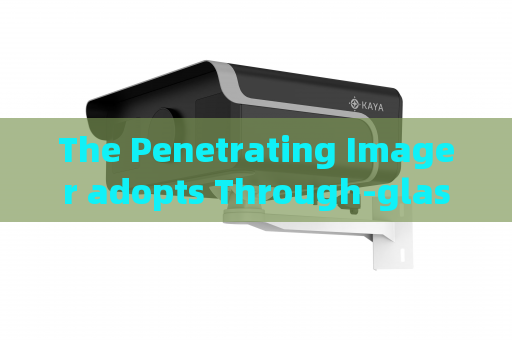
Deeper into the operational details, the Penetrating Imager’s performance is further enhanced by its ability to handle extreme lighting conditions. At bonded zones, screening often occurs under bright sunlight or in dim warehouse environments; the system’s Strong Light Suppression Imaging capability automatically adjusts the gate timing to reduce bloom from headlights or reflective surfaces while maintaining clarity inside the cabin. Additionally, the imager works effectively during night operations, as its active laser illumination requires no ambient light. The combination of long‑range capability, high resolution, and immunity to backscatter means that even in dusty or slightly smoky air (though note that heavy smoke cannot be penetrated), the images remain crisp. This reliability makes the Penetrating Imager a primary tool for continuous, non‑stop vehicle screening at bonded zone entry and exit points, significantly reducing the risk of contraband or threat infiltration while streamlining the flow of legitimate commerce.




