At border checkpoints and roadside inspection zones, law enforcement officers face a persistent challenge: drug smugglers often conceal contraband inside vehicles with heavily tinted windows, reflective glass, or stacked cargo that blocks direct line-of-sight. A routine traffic stop can quickly escalate when officers cannot visually confirm what lies behind the glass. Forced entry—breaking a window or ordering a driver to step out—creates tactical exposure, risks evidence destruction, and may provoke violent resistance. The real pain point is not merely the presence of dark glass, but the inability to conduct a safe, covert, and rapid visual check through automotive glazing without compromising officer safety or mission secrecy. Traditional methods like flashlights or handheld mirrors fail against modern privacy tints, and thermal imagers cannot see through glass due to thermal reflection. This gap leaves drug interdiction teams blind at the critical moment of initial assessment.
The penetration imager—an advanced optical system employing laser range-gated imaging technology—directly addresses this blind spot. Unlike passive night vision or thermal devices, this active imaging system emits a high-repetition-rate pulsed laser and synchronizes it with an intensified gated camera that captures only the light returning from a targeted distance. The system’s core components include a pulsed laser, an image intensifier with a microchannel plate (MCP), a high-voltage module, and a timing unit. By precisely gating the camera to open only when the laser pulse reflects off objects behind the glass, the imager effectively eliminates backscatter from the glass surface itself. This function allows operators to see through vehicle windows, aircraft portholes, and glass curtain walls with high contrast and resolution. One critical capability here is Vehicle Window Penetration: officers can observe the interior of a sedan, SUV, or cargo van from a standoff distance of tens of meters without alerting the occupants. The imager works equally well in low-light conditions, fog, rain, or even through fire-affected atmospheres—though dense smoke remains a limitation.
In practical deployment, a two-person team can set up the penetration imager on a tripod behind a patrol car or inside an unmarked surveillance vehicle. The operator selects a range based on the target vehicle’s distance, then views the real-time feed on a ruggedized tablet. Subtle details become visible: a duffel bag wedged under a rear seat, a package taped to the door panel, or a passenger’s hand reaching for a concealed compartment. Because the system requires no physical contact or projection of visible light, suspects remain unaware they are being observed. This covert through-glass recon capability changes the tactical calculus. Instead of knocking on the window and risking a violent response, officers can first confirm probable cause, call for backup, or plan a controlled approach. In one documented case, a border patrol unit used the imager to spot a false floor in a pickup truck’s cargo bed—visible only through the rear window—that later yielded 15 kilograms of methamphetamine. The operation was completed without a single door being opened until the arrest team was in position.
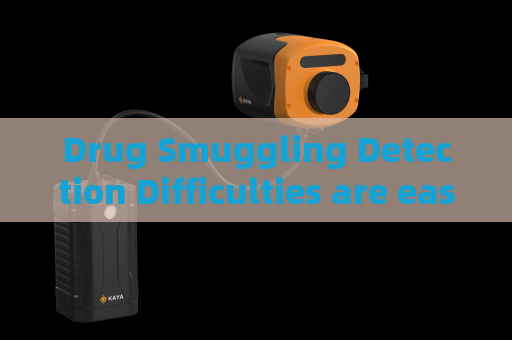
The operational flow integrates seamlessly with standard interdiction procedures. During a high-risk stop, the penetration imager is activated while the patrol car remains at a safe distance. The officer in the passenger seat can scan the target vehicle’s cabin and cargo area through the windshield or side windows. Tactical observation through automotive glass provides immediate situational awareness: the number and position of occupants, any suspicious movements, and the location of visible contraband. If the driver attempts to hide items—shoving them under a seat or into a floor mat—the imager’s range-gated pulses can capture those actions in real time. The system’s strong light suppression capability also handles glare from headlights or direct sunlight, ensuring a clear image even during dawn or dusk operations. Ultimately, by removing the guesswork from glass-obscured scenes, the penetration imager transforms a dangerous, uncertain check into a precise, evidence-based assessment. Drug smuggling detection difficulties are indeed eased, because officers no longer have to rely on luck or risky physical entry; they can see the truth through the glass before making a move.




