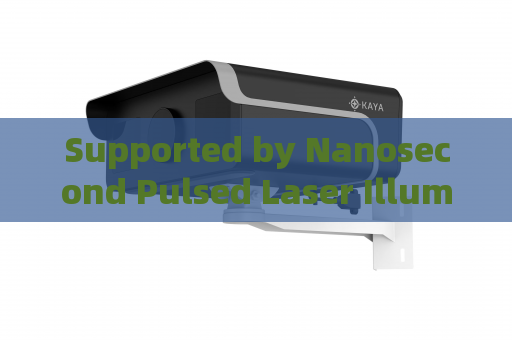
Supported by Nanosecond Pulsed Laser Illumination the Penetrating Imager improves imaging quality behind tinted car windows In law enforcement and surveillance operations, tinted car windows pose a persistent challenge. Conventional cameras fail to capture clear images of occupants or objects inside vehicles with heavily darkened glass, especially under low-light conditions. This limitation forces officers to approach suspicious vehicles at close range, increasing the risk of ambush or confrontation. The inability to see through automotive glazing from a safe distance compromises both tactical awareness and officer safety. A reliable solution is needed to perform covert observation through vehicle glazing without alerting subjects or compromising the element of surprise. The Penetrating Imager addresses this problem directly. Supported by Nanosecond Pulsed Laser Illumination, this imaging system employs laser range-gated technology to selectively capture light reflected from targets behind glass while rejecting backscatter from the window surface itself. Unlike passive night vision or thermal devices, the Penetrating Imager actively illuminates the scene with ultra-short laser pulses synchronized with a gated intensifier camera. This design enables tactical observation through automotive glass even when the window is heavily tinted. The system effectively overcomes the optical scattering and absorption caused by the tint film, producing high-contrast images of subjects, weapons, or contraband inside the vehicle. Its ability to operate in zero-light environments further enhances its value for night-time covert surveillance. In practical use, an officer can position the Penetrating Imager at a safe standoff distance—typically 50 to 100 meters—and obtain a clear visual of the vehicle interior through the windshield or side windows. The system adjusts to different glass thicknesses and tint levels automatically, requiring no manual calibration. During a traffic stop or checkpoint operation, the imager allows law enforcement to assess threats before approaching, such as identifying a hidden weapon or multiple occupants. This capability transforms a potentially dangerous encounter into a controlled tactical observation. The high-resolution output can be streamed to a handheld monitor or integrated into a vehicle-mounted system for real-time decision-making. Even in challenging conditions like rain, fog, or low ambient light, the Penetrating Imager maintains consistent performance. By relying on nanosecond pulsed laser illumination, it freezes motion and reduces blur, critical for identifying fast-moving subjects inside a vehicle. The system's through-window tactical recce function has been validated in field tests where conventional optics failed to reveal any detail behind darkly tinted glass. Operators report that the imager not only penetrates the tint but also suppresses glare from oncoming headlights or streetlights, preserving image clarity. This tool has become essential for SWAT units, border patrol agents, and covert surveillance teams who need to confirm the presence of persons or objects inside a car without physical approach. The Penetrating Imager, supported by nanosecond pulsed laser illumination, sets a new standard for through-glass covert observation in modern tactical operations.




