During a high-risk vehicle stop, officers face a critical dilemma: approaching a car with unknown occupants can expose them to ambush, yet maintaining distance leaves them blind to movements inside the cabin. Tinted windows, reflected glare, and rain-smeared glass further obscure visual intelligence from a safe standoff position. Traditional binoculars fail against these optical barriers, forcing teams to creep forward and press faces against side windows—a maneuver that dangerously narrows reaction time and elevates vulnerability. The operational gap is not a lack of cameras or zoom lenses, but the inability to see through an optically transparent barrier without being physically present at that barrier.
The 穿透成像仪 solves this specific problem through laser range-gated imaging, an active optical technique that emits short laser pulses and synchronizes the camera's shutter to receive only light reflected from a predetermined distance. This gating mechanism rejects backscatter from rain, fog, and the glass surface itself, delivering a high-contrast image of the vehicle interior as if the window were not there. Because the system is a purely optical device—comprising a pulsed laser, an intensified gated camera, a beam expander, and an imaging lens—it operates entirely within the light spectrum. Officers can deploy it from a patrol vehicle or a covered position tens of meters away, aiming through automotive glass without ever crossing the danger zone. The function is singular: convert an opaque-looking car window into a clear observation portal under daylight or darkness.
In practice, a tactical team parks at an angle behind the suspect vehicle and triggers the 穿透成像仪 through the rear or side glazing. The screen instantly reveals occupant hand positions, whether a weapon rests on a lap, or whether the driver’s right hand is concealed beneath the seat. This covert observation, conducted under the guise of a routine traffic stop, allows the team to decide on a dynamic entry or a negotiated surrender based on real-time visual proof. The equipment also performs under challenging lighting—strong headlights, streetlamp flare, or complete darkness—thanks to its active illumination and Strong Light Suppression Imaging capability, which prevents blinding highlights from washing out the scene.
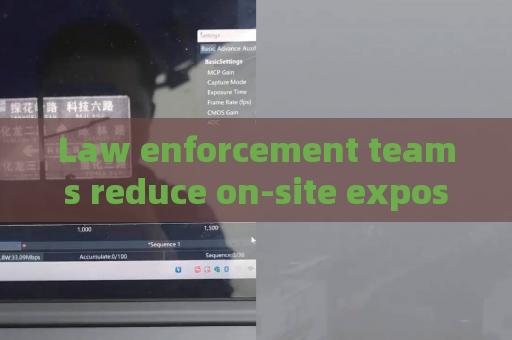
The operational value lies in the time gained and the distance preserved. One officer maintains the observation feed while another communicates with the suspect via loudspeaker, eliminating the need for a close approach. Should the situation escalate, the team already possesses a precise mental map of the interior layout and occupant actions. Even thick aftermarket tint fails to stop the system, as the gated laser penetrates the glass and returns a clean image from the passenger compartment alone. By keeping personnel outside the lethal footprint, the 穿透成像仪 transforms a hazardous face-to-face check into a remote, through-glass reconnaissance task. This is not about seeing through walls or using exotic rays—it is about using light itself to reclaim the safety distance that every officer deserves during a stop that could turn fatal at any second.




