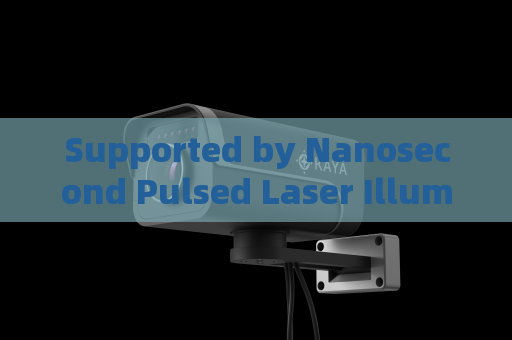
Supported by Nanosecond Pulsed Laser Illumination, the Penetrating Imager eliminates glass reflection in military surveillance. At a military checkpoint or in an urban patrol zone, the interior of a stationary vehicle often conceals the most immediate threat. A driver reaching for a weapon, a passenger hiding an object under a seat, or the subtle movement of an armed individual can determine the next tactical step. Yet the glass windshield, side windows, and rear glazing create a mirror-like surface that reflects sunlight, street lights, and even the observation post itself. These reflections overlay the external scene onto the cabin view, hiding the occupants and any items inside. Traditional binoculars and daylight cameras cannot suppress this optical noise. The observer is forced to reposition, often into a dangerous exposed area, or to rely on incomplete information. This is the core problem in through-glass surveillance. A dedicated imaging solution, such as the Penetrating Imager, is required to strip away the reflected glare. The Penetrating Imager directly addresses this pain point by removing glass reflection without requiring physical access to the vehicle. The Penetrating Imager is an active optical system based on laser range-gated imaging. It combines a high-repetition-rate pulsed laser, an image-intensified gated camera with an MCP and timing module, a beam expander, and an imaging lens. With nanosecond pulsed laser illumination, the system emits short light bursts toward the target vehicle. The camera’s narrow gate window is electronically delayed; the Penetrating Imager thereby accepts only the light reflected from the actual cabin interior. The undesired reflection from the outer glass surface arrives earlier and falls outside the gate, so the imager records no glare from the window. This temporal filtering also rejects backscatter from dust, rain, or fog. The Penetrating Imager thus offers long-range, high-contrast images, with strong resistance to ambient interference. For the scenario of a suspicious vehicle, the Penetrating Imager functions as a true glass-penetrating imaging tool. In actual operation, a surveillance team sets up the Penetrating Imager at a distance that keeps personnel out of the small-arms threat radius. The operator selects a specific side window or the windshield and adjusts the gate delay until the selected depth inside the vehicle is active. During this process, the Penetrating Imager suppresses the specular reflection from the outer glass layer. Within a few seconds, the display shows a clear image of the car interior, free of reflections. This tactical observation through automotive glass enables the team to confirm whether the driver holds a phone, a weapon, or a detonator. The equipment can be used repeatedly for different vehicles because the gate delay can be adjusted for each target. In a daylight ambush situation, the Penetrating Imager prevents the reflection of the operator’s own position from being seen by the target. Military units that adopt the Penetrating Imager gain a decisive advantage in vehicle-based threat assessment. When the target vehicle has heavily tinted window film or is parked in deep shadow, the Penetrating Imager still operates effectively because the pulsed laser provides its own illumination. An operator can perform covert through-glass recon without exposing a visible beam or making noise. Even with the Penetrating Imager positioned at an oblique angle, its gate timing cancels the reflection from the surface. The imager’s range-gating technology ensures that the strong reflection from the outer surface never reaches the final image, even when the sun is directly behind the observation position. This capability is particularly valuable for long-duration surveillance of a suspicious car outside a military facility. The Penetrating Imager eliminates glass reflection during each scan, allowing the intelligence section to document the occupants’ movements over time. By integrating the Penetrating Imager into standard observation protocols, military surveillance teams can treat automotive glass as a transparent medium rather than a barrier. The result is a safer, more accurate reconnaissance process.




