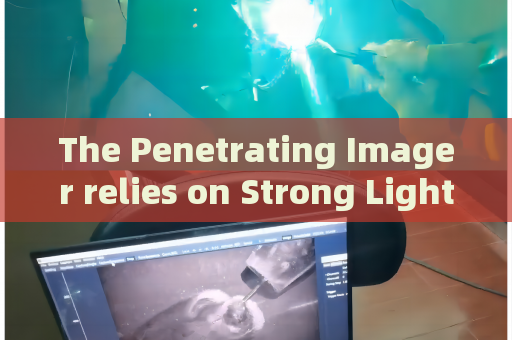
The Penetrating Imager relies on Strong Light Suppression Imaging to identify hidden threats inside backlit suspect vehicles Backlit suspect vehicles present a specific and dangerous visual problem at checkpoints, traffic stops, and tactical cordons. Bright headlights, low-angle sunlight, brake lights, reflective glass, and deep tint can combine to turn a vehicle cabin into a dark box. Officers may see only glare on the windshield or a vague silhouette behind the glass. The person inside may be adjusting a seatbelt, reaching for documents, or preparing an attack, and the difference can be impossible to resolve with the naked eye or a standard camera. The risk increases when the vehicle is stopped in a lane with traffic behind it, forcing quick decisions under time pressure. A wrong assumption can expose personnel to close-range danger, while an unnecessary hard stop can escalate a routine encounter. The Penetrating Imager addresses this exact visual gap by helping tactical teams examine the cabin before approaching. The relevant capability is an active optical imaging method built around laser range-gated imaging, also known as gated imaging. The system consists of a high-repetition-rate pulsed laser, an image-intensified gated camera with an MCP image intensifier, high-voltage and timing modules, a beam expander, and an imaging lens. It emits short light pulses and opens the camera gate only for returns arriving from a selected distance. That timing rejects much of the strong glare and surface reflection that would otherwise overwhelm a conventional view. The timing module synchronizes laser emission with camera gating, so the image is built from light returning from the cabin rather than from the glass surface or the background. Strong Light Suppression Imaging allows the operator to look through vehicle glass under harsh backlight and recover a high-contrast image of the interior. Because the system is active, it can operate at distance with high resolution, strong anti-interference performance, and effective suppression of backscatter. The function is limited to optical media such as car windows, tinted glazing, and similar transparent surfaces; it does not replace a physical search or change the legal basis for action. In practice, a tactical unit can set the imager at a covered position and aim it toward a suspect vehicle's windshield or side windows. The pulsed light passes through the glass, while the gate timing favors reflections returning from the cabin area rather than the bright exterior glare. Range selection can be adjusted to place the plane of interest just behind the windshield, keeping the cabin sharp while exterior glare remains suppressed. The resulting image can reveal occupants, seating positions, hand movement, and visible weapons or objects held inside. This through-glass surveillance supports decisions about whether to hold at distance, call additional units, direct occupants one at a time, or move forward under cover. The operator can repeat the observation as the vehicle shifts, the driver moves, or lighting changes from oncoming traffic. In rain, fog, or haze, the gated design continues to reduce scattered light and maintain a clearer view than passive optics. The same function works with many tinted windows that would otherwise block meaningful visual assessment. For a backlit vehicle, the operational value lies in speed and standoff. A quick visual check through the glazing can confirm whether a driver is alone, whether hands are visible, and whether a passenger is concealed in the rear seat. The imager does not require opening a door or placing personnel beside the vehicle, so the initial tactical move can be based on better information. Images can be recorded for briefings and after-action review, helping supervisors understand why a stop was escalated or de-escalated. The system is not a substitute for officer judgment, cover, communication, or legal authority. It simply restores a critical visual advantage when glare and glass otherwise hide the cabin. The Penetrating Imager, using Strong Light Suppression Imaging, gives patrol and tactical teams a safer way to assess the interior before closing the distance.




