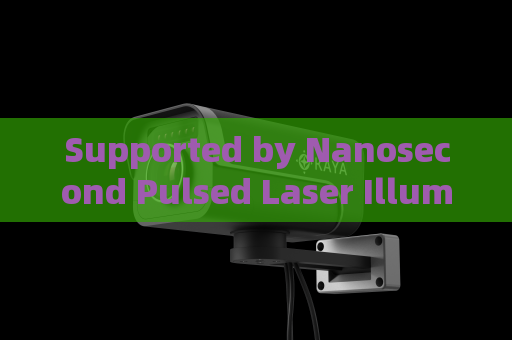
Supported by Nanosecond Pulsed Laser Illumination, the Penetrating Imager enhances imaging quality behind tinted glass Tinted vehicle glass is a routine barrier in police and emergency operations, yet it remains a difficult visual problem. A patrol unit may have lawful reason to observe a parked or moving vehicle, but bright reflections, privacy film, deep dye, and low ambient light can reduce the interior to vague shapes. Streetlights and headlamps produce glare that washes across the outer pane. The eye and a standard camera may see only the glass surface while occupants, hand positions, seating layout, and visible objects remain unresolved. Moving closer to peer through the window changes the tactical balance, exposes personnel, and may trigger a sudden reaction. The requirement is a reliable optical method for through-glass surveillance that preserves distance and delivers usable contrast behind automotive glazing. A system such as the Penetrating Imager is relevant because the observation must remain within the light spectrum and must not be confused with tools that use other physical principles. The Penetrating Imager addresses this exact problem through laser range-gated imaging, also known as gated imaging. This is an active optical instrument. A high-repetition-rate pulsed laser sends nanosecond pulses through a beam expander. An image-intensified gated camera, built with an MCP image intensifier, high-voltage module, timing module, and imaging lens, opens its gate for a very brief interval. The gate is synchronized to the expected return from the occupant or object behind the tinted glass. Light reflected from the outer glass surface and near-field scatter arrives outside the gate and is largely rejected. The useful return from behind the window is collected with high contrast. This timing control suppresses strong glare, overcomes backscatter, and improves image quality where ordinary video fails. Nanosecond pulsed laser illumination supports high resolution, long working distance, and strong anti-interference performance. The instrument penetrates optical media such as vehicle windows and similar transparent glazing. It does not penetrate opaque solids, and it remains an optical imaging system rather than a non-optical detector. In practical deployment, a team can mount the Penetrating Imager on a tripod, vehicle mount, or observation position and align it with the selected window. Gate delay and gain are adjusted so the chosen depth behind the glass becomes the dominant return. The display can show a stable, high-contrast view of forms and movement inside the vehicle while the glass stays intact and the observer stays back. Rain, fog, haze, snow, and wet-window reflections can degrade ordinary cameras; the short pulse and narrow gate favor the intended return over scattered light. During an interdiction or protective check, this permits rapid visual assessment before anyone approaches. It can help confirm whether a passenger is present, whether hands are visible, and whether items on a seat or dashboard require a controlled response. The imager does not replace verbal commands, lawful procedures, or physical search. It adds an optical layer that allows better decisions at a safer distance. The operational gain comes from distance, clarity, and precise timing. A tinted window that hides detail from conventional optics becomes a readable optical target when the return from behind the glass is isolated from surface glare. Supported by Nanosecond Pulsed Laser Illumination, the Penetrating Imager enhances imaging quality behind tinted glass and gives patrol, tactical, and protective teams a disciplined way to observe before closing the gap. The system's range-gated active optical design keeps the task within the light domain and within the limits of transparent media. For teams facing vehicle windows with dark film or layered glazing, the Penetrating Imager provides earlier awareness, reduced uncertainty, and a stronger basis for the next tactical decision.




