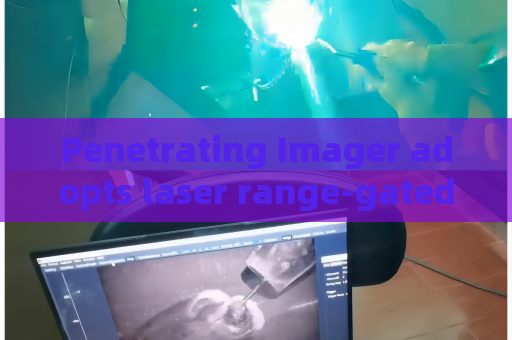
Penetrating Imager adopts laser range-gated imaging to separate real target signal from background clutter interference At a nighttime checkpoint, officers face a recurring tactical problem: a vehicle stops at a distance, its windows are tinted or coated, and the interior remains dark. Streetlights, headlights, illuminated signs, wet glass, and passing traffic create layered reflections and glare. Body panels, glass edges, and rain droplets reflect light back toward the observer. A conventional camera records these bright distractions while the real target signal—occupant position, hand movement, shoulder profile, or object held near the lap—is lost in shadow and clutter. The operator cannot quickly distinguish a passenger reaching for documents from a passenger reaching for a weapon. The Penetrating Imager is designed for this exact optical challenge: cutting through glass and optical interference so that the meaningful return from the target is not drowned by background clutter. The relevant capability is laser range-gated imaging. The Penetrating Imager is an active optical system. A high-repetition pulsed laser illuminates the scene through an expander. An intensified gated camera, built with an MCP image intensifier, high-voltage module, timing module, and imaging lens, opens only for a very short interval. That interval is synchronized to the round-trip time of light returning from a selected range. Returns from the target at that range are captured; returns from farther background, intervening haze, or scattered light arrive outside the gate and are strongly suppressed. This is how the system separates real target signal from background clutter interference. The result is high-contrast imaging with long range, high resolution, strong anti-interference performance, and effective suppression of backscatter. For through-window tactical observation, the gate can be set to the occupant plane behind vehicle glass, allowing the imager to work through automotive glazing, including tinted windows, while reducing distracting reflections and environmental glare. In practice, an officer or tactical team positions the Penetrating Imager on a stable rest or vehicle mount and aims it at the target vehicle. The operator selects the range gate according to the distance to the window and the expected depth of the occupant. A short gate width improves contrast by excluding light from deeper background. The image appears on the camera display as a clearer view of the cabin: head count, seating positions, hands, visible equipment, and objects can be assessed without approaching the vehicle. Rain, mist, snow, and low light may degrade ordinary cameras, but the active gated method maintains usable imagery because it rejects much of the scattered light that would otherwise veil the scene. The system does not rely on any non-optical method and does not pass through opaque solid barriers. With a narrow gate, the system favors the vehicle cabin over distant roadside objects, so signs, trees, and buildings do not dominate the display. Its working domain is optical media such as vehicle glass, aircraft windows, train windows, and glass facades, which keeps the operational use precise and legally relevant. For checkpoints, pursuit containment, or protective details, this through-glass capability changes the tempo of a stop. Officers can conduct a rapid visual check from cover, confirm whether a driver is alone, observe whether hands remain visible, and detect sudden movement before opening a door. The Penetrating Imager supports repeated observation under changing light, from dark cabins to strong oncoming headlights, without losing the target in glare. It provides a tactical picture that supports verbal commands, positioning, and escalation decisions. The operator can keep the imager trained on the vehicle while issuing calm, clear commands, because the display remains stable across headlight sweep and changing street illumination. Because the system is limited to optical media, training emphasizes correct aim, gate selection, and recognition that tinted glass, surface reflections, and weather still require skilled operation. Used within those boundaries, the Penetrating Imager delivers a practical advantage: a clearer, high-contrast view of the real target while background clutter interference is pushed away.




