Tactical teams approaching a suspect vehicle at night face a narrow and dangerous problem: vehicle glazing hides occupants, hand movements, weapons, and immediate threats. Tinted windows, reflected streetlights, wet glass, and low ambient light turn the cabin into a dark mirror. White light or a flashlight reveals the team's position and creates glare that washes out interior details. Conventional low-light cameras mounted outside the vehicle often record reflections from the glass surface rather than the scene behind it. The result is delayed threat assessment, unsafe approach, and weak visual evidence. At a cordon or traffic stop, that delay can force officers into a close approach before the cabin is understood. A penetrating imager supported by an image intensifier camera addresses this specific optical barrier by treating automotive glass as an optical interface rather than as an opaque obstacle. The requirement is not to see through steel or body panels; it is to obtain clear tactical imagery through vehicle windows while preserving concealment.
The relevant function is active laser range-gated imaging integrated with an image intensifier camera. The penetrating imager emits high-repetition-rate pulsed laser light through a beam expander. The gated image intensifier camera, containing an MCP image intensifier, high-voltage module, and timing module, opens its gate only for a very short interval matching the return from the target plane behind the glass. Light reflected from the outer glass surface, water film, or airborne scatter arrives earlier and is largely excluded. Because the illumination is pulsed and the camera gate is synchronized, much of the light that never reaches the selected plane is rejected. This gating action, combined with image intensification, provides high-contrast imaging at distance with high resolution and strong anti-interference performance. It overcomes backscatter that otherwise washes out through-glass views. The same optical design supports through-glass covert observation under low light, while retaining the ability to form clear images through fog, haze, rain, and snow. The system remains an optical imager; it does not penetrate non-transparent solids.
In operation, a tactical team can deploy the penetrating imager from a concealed position, a support vehicle, or an observation post. The imaging lens is aimed at the target vehicle. The operator selects the range gate to match the distance to the far side of the glass or a chosen plane inside the cabin. The pulsed laser illuminates the scene, and the gated image intensifier camera captures only the selected return. On a monitor, the interior layout, seat positions, silhouettes, and movement may become visible without approaching the vehicle or emitting visible light. This supports a tactical visual check through tinted windows, helping determine whether occupants are sleeping, armed, restrained, or absent. The image can be recorded for briefings and after-action review. Because the camera is gated, bright streetlights or headlights are strongly suppressed, preventing glare from dominating the scene. The operator can adjust gate delay and gain to match distance, glass tint, and ambient light, keeping the view stable as conditions change. The gate delay can be tuned in small steps, allowing observation of a front seat, rear bench, or cargo area as the tactical question changes.
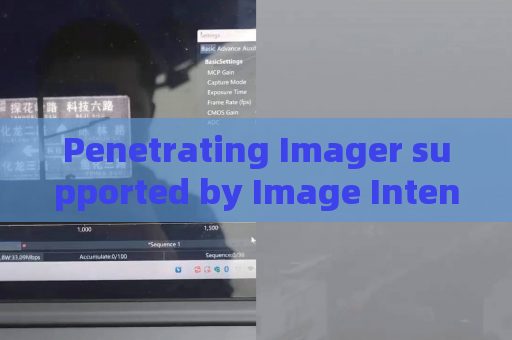
The practical value in tactical scene detection lies in decision speed and standoff safety. A checkpoint, surveillance team, or entry team can assess a vehicle cabin before making contact. The Penetrating Imager supported by Image Intensifier Camera for tactical scene detection provides a focused optical capability: clear, high-contrast observation through automotive glass in darkness, glare, rain, fog, or snow. It does not replace direct vision or other sensors, and it does not claim to see through solid materials. It reduces the need to illuminate the target, approach blind, or rely on reflected images. In low-light tactical scene detection, this standoff view can shape contact decisions before a door is opened or a vehicle is directed to a search area. The recorded footage also supports post-incident review and court documentation when a vehicle stop escalates. The outcome is better threat triage, more controlled approaches, and stronger visual documentation in a single, specific tactical scenario.




