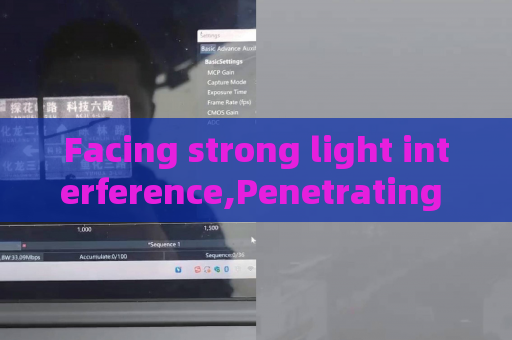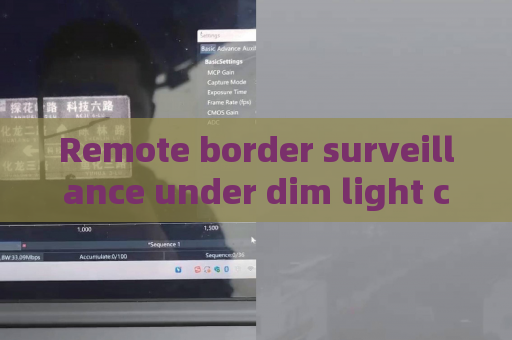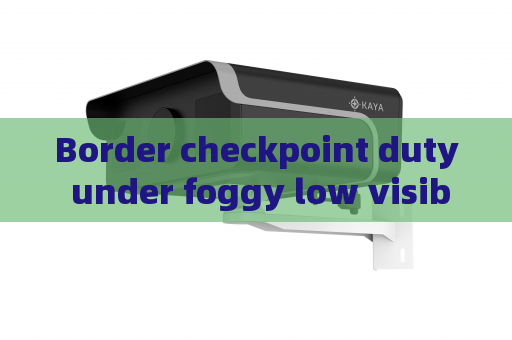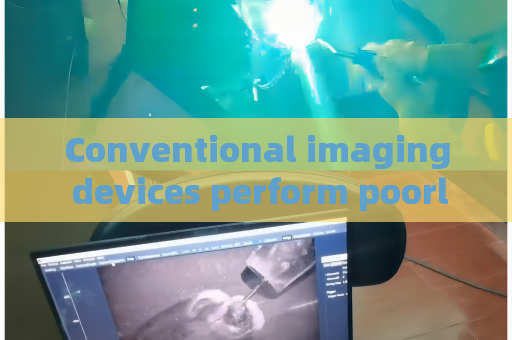
Conventional imaging devices perform poorly in foggy conditions, Penetrating Imager utilizes Fog Penetration Imaging for reliable reconnaissance Fog transforms a familiar road, border crossing, or coastal approach into a low-contrast field where conventional imaging devices perform poorly in foggy conditions. Water droplets scatter light in multiple directions, reducing contrast, blurring edges, and suppressing target detail at the exact distance where tactical decisions matter. A patrol team watching a known smuggling route may see only gray haze where a vehicle should be moving. A checkpoint camera may register a vague shape but fail to confirm whether it is a car, a motorcycle, or a person on foot. Ambient-light cameras and standard zoom lenses depend on light that fog absorbs and scatters. Backscatter from the fog itself can wash out the scene. The result is delayed threat identification, weak target discrimination, and unreliable reconnaissance. A Penetrating Imager changes this operational equation by using active optical imaging to preserve useful detail under fog. The relevant capability is Fog Penetration Imaging, built around laser range-gated imaging, also known as gated imaging. A Penetrating Imager is an advanced optical instrument. It includes a high-repetition-rate pulsed laser, an image-intensified gated camera with an MCP image intensifier, a high-voltage module, a timing module, a beam expander, and an imaging lens. The system is active. The pulsed laser sends short light pulses toward the scene. The beam expander shapes the illumination. The gated camera opens its gate for a very brief interval matched to the return from a selected distance. Light reflected from fog droplets near the camera arrives earlier and is largely rejected. Light returning from a target at the chosen range enters the camera and forms a high-contrast image. This design supports long operating distance, high resolution, strong anti-interference performance, and effective suppression of backscatter. Fog Penetration Imaging remains an optical method. It works through optical media such as vehicle glass, train windows, aircraft windows, and glass facades. It does not see through opaque solid matter. For fog, haze, rain, and snow, the method provides a clear tactical view by controlling when the camera accepts light. In a fog-bound checkpoint or border road, the Penetrating Imager can be mounted on a patrol vehicle, a tripod, or a fixed tower. The operator selects a range gate that matches the likely approach lane, such as fifty, one hundred, or two hundred meters. The laser illuminates the sector. The camera receives target returns while rejecting fog backscatter. Vehicle contours, road edges, human silhouettes, and movement patterns become visible in conditions that defeat ordinary cameras. A command post can monitor the image, issue warnings, and direct an intercept team before a suspect reaches the checkpoint. The same optical path can support visual assessment through a vehicle window when it is in the line of sight, allowing a tactical visual check without opening a door or exposing officers. Fog Penetration Imaging does not remove the need for safe procedures. It improves situational awareness, extends observation range, and gives commanders a more reliable basis for decisions during low-visibility operations. The practical value lies in repeatable reconnaissance rather than a single clear image. Operators can adjust the gate as a target moves closer or farther away, maintaining contrast and detail across an approach route. Recorded imagery can be passed to an incident command system, helping document movement, support pursuit decisions, and brief relief teams. The Penetrating Imager also resists interference from rain, snow, and haze, so a foggy shift does not force a choice between withdrawing observation and accepting degraded video. It remains an optical imaging instrument. It does not replace physical search, inspection, or the legal checks required at a checkpoint. Within its proper role, the Penetrating Imager uses Fog Penetration Imaging to turn fog from a blind spot into a manageable tactical condition, delivering reliable reconnaissance when conventional imaging devices perform poorly in foggy conditions.