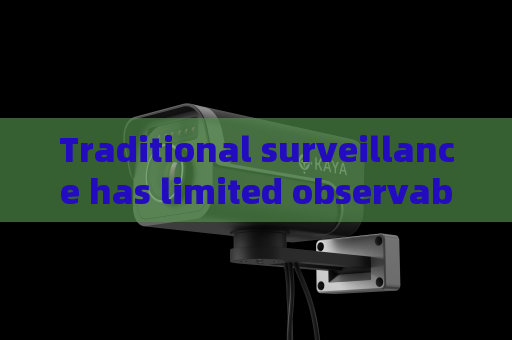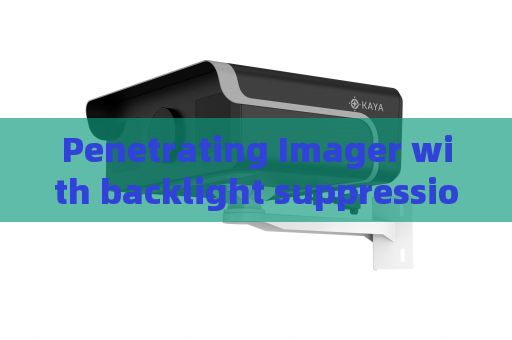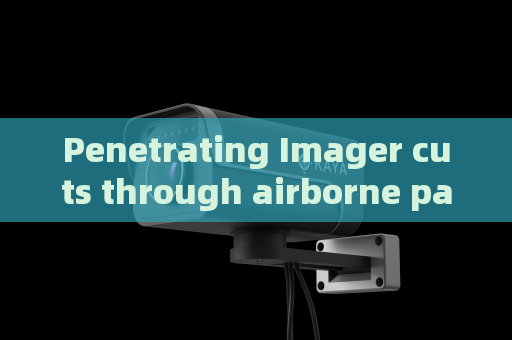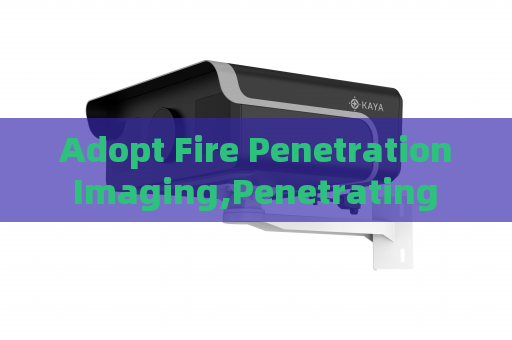
Adopt Fire Penetration Imaging, Penetrating Imager serves building exterior fire observation to collect fire situation information Building exterior fire observation often fails at the moment when accurate fire situation information is most needed. Flames behind glass curtain walls, high-rise windows, or vehicle glazing produce severe glare; water spray, fog, rain, snow, and smoke plumes scatter light; reflections from exterior glass hide interior conditions. Fireground commanders outside a structure need to know the seat of fire, spread direction, window integrity, and visible occupancy, yet conventional optical tools saturate, lose contrast, or return backscatter. The Penetrating Imager is designed for this specific optical problem. Through Fire Penetration Imaging, it supports building exterior fire observation by collecting fire situation information through glass and other optical media while resisting fire, fog, haze, rain, and snow interference. It does not replace physical entry or standard fireground tactics; it gives an external observation point a clearer optical channel. The relevant function is laser range-gated imaging, also known as gated imaging. The Penetrating Imager is an active optical system built around a high-repetition-rate pulsed laser, an image-intensified gated camera with an internal MCP image intensifier, high-voltage module, and timing module, a beam expander, and an imaging lens. The camera opens its gate only for light returning from a selected distance, so backscatter from smoke, water spray, fog, rain, and snow is rejected before it washes out the image. Strong Light Suppression Imaging keeps flame glare and glass reflections from dominating the scene. This optical design delivers high-contrast imaging, long range, high resolution, and strong anti-interference performance. In a fire scene, the instrument can improve fireground visibility by three to five times, while dense smoke remains a hard limit. The same function supports viewing through vehicle windows, high-speed rail windows, aircraft portholes, and glass curtain walls, which makes it useful when exterior fire observation must look through building glazing. In practice, a crew sets the Penetrating Imager on a tripod, fire apparatus roof, aerial platform, or other safe exterior position. The optic is aimed at a glass curtain wall, window bank, or other optical surface on the building face. The operator adjusts the range gate to match the distance of the target zone behind the glazing, allowing the pulsed laser and gated camera to isolate that slice of the scene. Real-time imagery then shows visible flame location, fire spread along an exterior facade, window condition, and interior features seen through glass. Fire situation information collected from this exterior viewpoint can be relayed to command without placing personnel closer to collapse, flashover, or falling glass hazards. The display can be viewed on a monitor or rugged tablet at the exterior command point. The Penetrating Imager works in low light and through rain, fog, haze, or snow, but dense smoke blocks the optical path; the tool is therefore used when a glass or other optical medium is part of the observation problem, not as a universal see-through solution. During building exterior fire observation, the value of the Penetrating Imager lies in distance-selective light control. Each gate setting rejects backscatter from the near field, such as spray, fog, or reflective glazing, and accepts light from a chosen depth. This produces a cleaner view of fire behind windows and curtain walls, improving contrast by three to five times in fire conditions. The collected fire situation information can include flame position, spread direction, glazing failure, and visible interior details through optical media. Because dense smoke remains outside the instrument's effective optical range, operators use it alongside standard size-up and ventilation assessment rather than as a substitute. For external fire observation, the Penetrating Imager provides a focused optical advantage: Fire Penetration Imaging through glass and other optical media, with strong light suppression, long-range gated viewing, and reliable image collection for a safer, clearer exterior fireground picture.