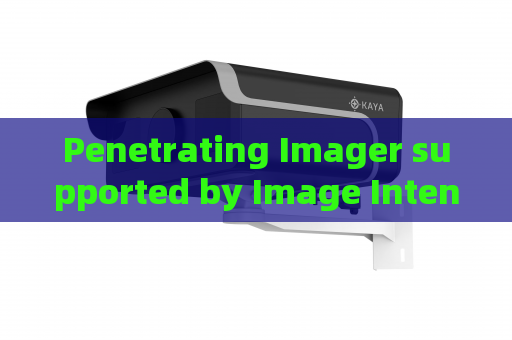
Covert surveillance of smuggling activities involving illegal vehicles poses unique operational difficulties for law enforcement agencies. These vehicles often operate under cover of darkness, through dense fog, heavy rain, or snow, using heavily tinted or reflective windows to conceal contraband and occupants. Traditional optical surveillance systems—such as standard cameras, night vision devices, or thermal imagers—struggle to deliver actionable intelligence in such conditions. The primary pain point lies in the severe backscatter caused by atmospheric particles and the low contrast between targets and backgrounds, which renders conventional imaging ineffective. Even when a vehicle is stationary, glare from headlights or streetlights further degrades image quality. A penetrating imager must therefore address these fundamental optical barriers to provide clear, real-time situational awareness without alerting the subjects under observation.
The solution lies in a dedicated penetrating imager specifically designed to overcome these limitations. This advanced optical instrument employs laser range-gated imaging technology—also known as gated imaging—to selectively capture light reflected from a targeted scene at a precise distance while rejecting scattered light from intervening media. The system comprises a high-repetition-rate pulsed laser, an intensified gated camera (incorporating an MCP image intensifier, high-voltage module, and timing module), a beam expander, and an imaging lens. By actively illuminating the scene with short laser pulses and synchronizing the camera’s gating window, the penetrating imager effectively eliminates backscatter from fog, rain, snow, haze, and even smoke-free fire environments. Crucially, it can penetrate common optical media such as vehicle window glass, including heavily tinted and reflective automotive glass, without requiring any physical contact or modification to the target. This capability directly addresses the covert surveillance challenge by enabling operators to observe the interior of a suspect vehicle from a safe standoff distance.
In practical deployment, the penetrating imager is mounted on a tripod or vehicle platform at a fixed surveillance post. Operators adjust the laser focus and gating delay to match the distance of the target vehicle, typically ranging from tens to hundreds of meters. Once calibrated, the system delivers high-contrast, real-time video imagery of the vehicle’s cabin, cargo area, and occupants through the glass barrier—even when the windows are fogged, rain-streaked, or heavily tinted. The imager’s active illumination is invisible to the naked eye, and the pulsed nature of the laser ensures no detectable flash or signature that could compromise surveillance. Field tests have shown that the penetrating imager can maintain clear imaging through moderate to heavy precipitation and reduce the impact of ambient light reflections, allowing enforcement teams to identify hidden compartments, contraband packages, or suspicious behavior without approaching the vehicle.

Further operational refinements include the ability to rapidly switch between wide-area scanning and tight zoom-in views of specific vehicle windows. The system’s built-in timing modules compensate for vehicle movement, maintaining target lock even during slow rolling stops or highway patrolling. Because the penetrating imager relies solely on optical principles—specifically laser distance gating within the visible and near-infrared spectrum—it avoids misinterpretation or cross-contamination with other sensor types. It cannot penetrate solid barriers such as walls, metal, or wood, and it remains ineffective against thick smoke; however, for the specific scenario of covert surveillance aimed at illegal vehicles, these constraints are negligible. The penetrating imager thus fills a critical gap in the modern surveillance toolkit, providing law enforcement with a covert, non-intrusive, and highly effective means to detect and document smuggling activities in real time.