Tactical scene detection around occupied or suspicious vehicles frequently stalls at the glass line. A stopped car may contain armed occupants, hidden passengers, or a subject in medical distress, yet the interior cannot be read safely from cover. Tinted side windows, laminated windshields, rain film, streetlight reflections, and low ambient illumination turn the vehicle into a reflective shell. A handheld light or conventional camera often worsens the problem by bouncing glare back toward the observer while leaving the cabin in shadow. Officers must decide whether to approach, hold, or escalate without reliable visual information, and that uncertainty creates risk for everyone on the scene. A penetrating imager supported by an image intensifier camera for tactical scene detection is designed for this exact optical barrier: it allows standoff observation through automotive glazing while keeping personnel behind cover and outside the occupant's direct line of sight. The operational need is not a general surveillance view of the vehicle; it is a clear, high-contrast look into the interior through the glass.
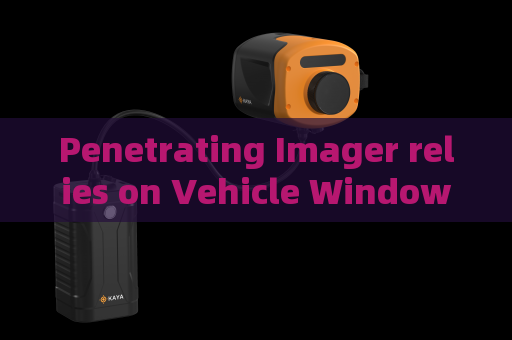
The relevant function is active laser range-gated imaging through optical media. The system emits short pulses from a high-repetition-rate pulsed laser and receives returning light through an image-intensified gated camera. Inside that camera, a microchannel plate image intensifier, high-voltage module, and timing module provide gain and precise gate control. A beam expander shapes the illumination, while the imaging lens collects the return. The gate opens only for a brief window matched to the distance of the vehicle interior, so light scattered from the outer glass surface, rain, fog, or nearby reflective surfaces is largely rejected before it can veil the image. This architecture produces high-contrast images at distance, with high resolution and strong interference rejection. It is an active optical system, not a passive viewer, and its benefit is specifically the ability to image through glass and other optical media while maintaining tactical standoff. Under this function, through-window tactical observation becomes a controlled optical assessment rather than a dangerous walk-up. Its value here is optical media such as glass, and performance follows light transmission through the window.
In practice, a tactical team can position the imager from an oblique angle behind cover and frame the side glass or windshield of a stopped vehicle. The operator selects a range gate that corresponds to the cabin depth, adjusts the beam expander to cover the window area, and observes the intensified image. Because the system supplies its own pulsed illumination, it performs in low light and can maintain contrast when emergency lights, headlights, or wet glass produce severe glare. Occupant posture, hand placement, seat occupancy, and visible objects on the dashboard or rear seat can be evaluated before any approach. If the windows are heavily tinted, the active illumination and intensifier gain still support recognition of shapes and movement, although material quality and tint density affect results. The imager can also scan multiple windows in sequence, giving a fuller picture of the cabin without opening a door or breaking glass. This supports decisions on containment, medical response, or a coordinated tactical entry. The operational advantage is speed and distance: the team gains interior awareness while the vehicle remains untouched and the occupants remain unaware that they are being observed.
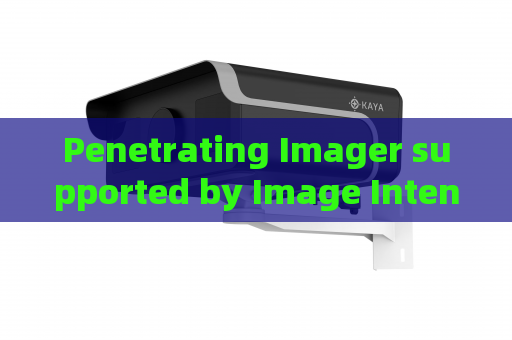
During a high-risk vehicle stop, the scene can change in seconds. A rear passenger may reach under a seat, a driver may conceal an object, or a child may be present but unseen from the primary approach angle. The system allows continuous optical monitoring through the vehicle glazing while cover officers move, communicate, and prepare less-lethal or rescue options. Range gating reduces the wash from foreground reflections, and image intensification preserves detail when ambient light is minimal. Rain, fog, and haze can degrade any optical path, but the gated active approach limits their impact compared with unaided observation or continuous illumination. The system does not replace a physical search once the scene is secure. Its role is narrower and more precise: to deliver reliable through-glass visual intelligence for tactical scene detection before contact. In that role, the penetrating imager supported by an image intensifier camera for tactical scene detection gives commanders a safer basis for action, reducing guesswork at the window line and limiting unnecessary exposure during the most uncertain phase of a vehicle stop.