Covert detection of illegal vessel activities—such as smuggling, illegal fishing, or unauthorized border crossings—poses a persistent challenge for maritime law enforcement and coastal surveillance agencies. Conventional optical surveillance systems, including standard daylight cameras and thermal imagers, often fail under adverse weather conditions like heavy fog, rain, snow, or sea spray. These environmental factors scatter light and obscure critical details, making it nearly impossible to confirm vessel identity, observe onboard personnel, or detect concealed cargo from a safe standoff distance. Even when vessels are visible, reflections from cabin windows or bridge glass can mask occupants or suspicious modifications. The core pain point lies in the inability to reliably acquire high-contrast, real-time visual intelligence from a covert vantage point without exposing the monitoring platform to counter-detection or retaliation. A conventional solution—closing the distance for a closer look—risks compromising the surveillance mission and escalating confrontation. Thus, the operational gap persists: how to obtain clear, actionable evidence of illegal activities on moving vessels while maintaining stealth and safety. This is where the Penetrating Imager enters as a transformative tool.
The Penetrating Imager resolves this pain point through its core technological capability: laser range-gated imaging, an active optical system designed to see through optical media and overcome atmospheric backscatter. Specifically, the system employs a high-repetition-rate pulsed laser and an image-intensified gated camera. By synchronizing the laser pulse with the camera’s gate opening time, the imager selectively captures only the light reflected from the target range, effectively rejecting unwanted backscatter from fog, rain, snow, or sea haze. This enables the operator to obtain crisp, high-contrast images of a suspect vessel even when the line of sight is partially obscured by meteorological interference. Furthermore, the Penetrating Imager can see through standard glass surfaces such as cabin windows, bridge windscreens, and portholes. For illegal vessel activity monitoring, this means an operator stationed on a patrol boat, helicopter, or coastal tower can observe the interior of a suspicious vessel’s wheelhouse—identifying crew members, documents, or contraband—without ever needing to board or approach. The system’s high resolution and long-range capability allow identification at distances that keep the monitoring platform safely out of the target’s visual or radar detection envelope. Equally important, the imager is immune to glare from the vessel’s own cabin lights, a common issue with conventional night-vision devices.
In actual deployment, the Penetrating Imager is integrated into a stabilized gimbal on a maritime patrol aircraft or a coastal surveillance station. During a covert operation, the operator first acquires the suspect vessel using radar or broad-area optics. Once the vessel is within the effective range—often several kilometers depending on atmospheric conditions—the imager is activated. The operator adjusts the laser gate timing to match the estimated distance, then fine-tunes focus and gain to reveal details through the vessel’s windows or through patches of fog. Real-time video feed is displayed on a ruggedized monitor, with the ability to record and geo-tag evidence for later prosecution. For example, during a nighttime anti-smuggling patrol in heavy sea fog, the Penetrating Imager can cut through the visual clutter and expose the silhouette of a small high-speed craft, then zoom in on the cabin to confirm the presence of multiple persons and suspicious cargo. The system’s active illumination remains virtually invisible to the naked eye and standard night-vision goggles at the target’s location, preserving the covert nature of the observation. This operational workflow eliminates the need for risky close-in maneuvers, reduces the probability of detection, and provides legal-grade visual proof of illegal activities.
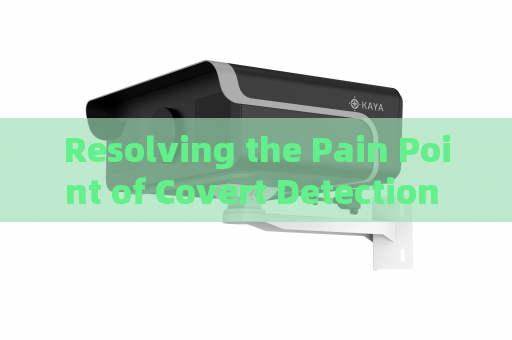
The Penetrating Imager also excels in scenarios where illegal vessels use dense smoke screens or operate near burning oil spills to mask their movements. While the system cannot pierce opaque smoke entirely, it can increase visibility through typical maritime smoke hazes by a factor of three to five, often enough to spot a vessel’s outline or the flash of a person moving behind a partially obscured window. In a real-world coastal security context, operators have reported that this capability transforms a “blind zone” into a confirmed identification window, particularly when monitoring small fishing boats retrofitted with concealed compartments. The imager’s high frame rate and low latency allow tracking of fast-moving vessels while maintaining image clarity—a critical advantage when evasive actions are attempted. Ultimately, the Penetrating Imager directly addresses the covert detection pain point by delivering a single, dedicated solution: the ability to see through optical obstructions and adverse weather, from a distance, without compromising stealth. For law enforcement and maritime security teams, this one instrument closes the gap between suspicion and actionable intelligence, making illegal vessel activities far harder to conceal.




