In tactical reconnaissance operations conducted during nighttime or in extremely low-light conditions, law enforcement and military personnel frequently confront the challenge of observing subjects inside vehicles. Standard optical devices, including night-vision goggles and thermal imagers, struggle to provide usable imagery when vehicle windows are present. The glass surface reflects ambient light from streetlamps, vehicle headlights, or tactical flashlights, generating intense glare that washes out any detail inside the cabin. Simultaneously, the near-total absence of ambient light inside the vehicle creates a zero-light imaging void. Even when a subject is present, the combination of high-glare reflections and insufficient illumination renders conventional cameras ineffective. Operators must often approach dangerously close to confirm occupancy or detect weapons, increasing tactical risk. This performance limit compromises mission safety and situational awareness, forcing teams to rely on guesswork or high-risk physical checks. The penetrating imaging system known as the penetrating imager offers a targeted solution to this exact problem.
The penetrating imager addresses these zero-light and high-glare constraints through its core technology: laser range-gated imaging. This active imaging system integrates a high-repetition-rate pulsed laser, an intensified gated camera with a microchannel plate (MCP) image intensifier, and precise timing modules. By emitting short, intense laser pulses and synchronizing the camera’s electronic shutter to open only when the reflected light from the target distance arrives, the system effectively gates out backscatter from fog, rain, snow, or even the bright glare reflecting off the glass surface. The laser wavelength is selected to pass through optical media such as vehicle windshield glass, high-speed train windows, aircraft portholes, and glass curtain walls without significant attenuation. Unlike passive imagers that collect all ambient light—including unwanted glare—the penetrating imager controls the illumination source and reception window, enabling high-contrast imaging even under zero-light interior conditions. The system’s ability to overcome backscatter and maintain resolution allows the operator to see through a highly reflective, brightly lit glass pane into the dark cavity beyond.
In practical field deployment, the penetrating imager is operated as a handheld or tripod-mounted system. The operator selects a range gate corresponding to the distance of the vehicle’s interior, typically 10 to 50 meters. Once the laser illuminator and gated camera are aligned, the display shows a clear, real-time image of the occupants, seats, and potential threats inside the vehicle. The glare from external light sources is eliminated because the gate only accepts light that has traveled the precise round-trip time from the vehicle interior—reflections from closer surfaces, such as the outer glass layer or nearby objects, are electronically discarded. During a high-glare tactical environment, for example, when a suspect vehicle is parked under a bright streetlight or facing a searchlight, the penetrating imager extracts the interior scene without any blooming or washout. The system also performs reliably in rain or light fog, since those particles scatter the laser but the gating window excludes the scattered returns. This allows tactical teams to maintain standoff distance, observe threat indicators (such as a weapon in hand or sudden movements), and make informed breach or negotiation decisions without exposing themselves to direct fire.
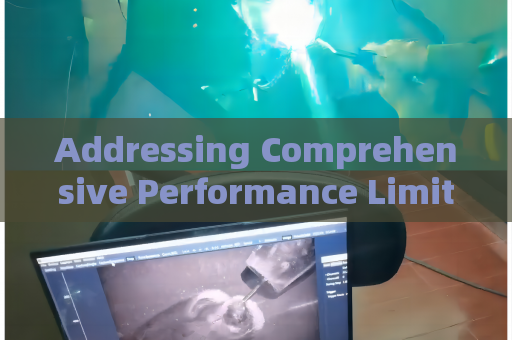
The operational flexibility of the penetrating imager extends to dynamic scenarios. If the vehicle is moving slowly, the range gate can be adjusted manually or via an automated tracking function that locks onto a target distance. In zero-light conditions where no ambient light exists inside the vehicle, the pulsed laser provides sufficient illumination without alerting the subject, as the laser wavelength is outside the visible spectrum or uses a narrow-band filter. The system’s high resolution and contrast enable identification of facial features, clothing details, and small objects such as a phone or firearm. Furthermore, the penetrating imager operates side-by-side with standard weapon sights and observation tools; its display can be integrated into a helmet-mounted visor or a handheld tablet. This capability directly addresses the comprehensive performance limits that have long plagued tactical reconnaissance in zero-light, high-glare environments, making the penetrating imager an indispensable asset for any unit tasked with vehicle-based threat assessment in hazardous conditions.




