At a busy border checkpoint, agents face a persistent challenge: inspecting vehicle interiors without direct line of sight. Windows are often tinted, dirty, or coated with reflective films that obscure occupants and potential contraband. Sunlight glare during daytime and headlight reflections at night further degrade visibility, forcing agents to rely on flashlights pressed against glass or risk opening doors, which elevates personal danger. Standard optical tools like binoculars or camera borescopes fail to cut through the reflections and surface distortions. This limitation slows down throughput, creates blind spots during high-traffic periods, and leaves agents vulnerable to ambushes when suspects are hidden behind darkened windows. The operational gap is clear—law enforcement needs a non-contact method to see through glass under any lighting condition, without physical intrusion.
The penetrating imager directly addresses this pain point. Unlike conventional cameras or thermal imagers that cannot overcome glass reflections or backscatter, this advanced optical instrument employs laser range-gated imaging technology. A high-repetition-rate pulsed laser emits short bursts of light through the expander lens toward the target window. Simultaneously, an intensified gated camera—equipped with an MCP image intensifier and precise timing modules—opens its shutter only for the instant when reflected light returns from the object behind the glass, while closing out the scattered light from the window surface itself. This active imaging approach effectively suppresses glare, rain droplets on glass, and fog between the observer and the vehicle. The result is a high-contrast, clear image of the car interior, regardless of tint level or ambient brightness. The penetrating imager operates strictly within the optical spectrum—no X-rays, radar, or radioactive emissions—making it safe for use around civilians and compatible with existing checkpoint protocols.
In practice, border patrol agents deploy the penetrating imager from a distance of ten to fifty meters, aiming it through the windshield or side windows of a stopped vehicle. The device provides a real-time, monochrome video feed on a handheld display, revealing the number of occupants, their positions, and any objects on seats or floorboards. Operators can rotate the imaging lens to adjust focus, while the laser power automatically adapts to reflections. During a typical inspection, the agent steps forward only after confirming the interior is clear, reducing face-to-face contact and the risk of surprise attacks. In rainy or foggy conditions, the gate-timing feature rejects water droplets and haze particles, maintaining clarity that would otherwise be lost. Field trials at a southern border station demonstrated a 40% reduction in secondary inspection time, as agents no longer needed to circle vehicles or request roll-downs for every car. The penetrating imager has become a standard tool in the checkpoint kit, issued alongside ballistic shields and tactical mirrors.
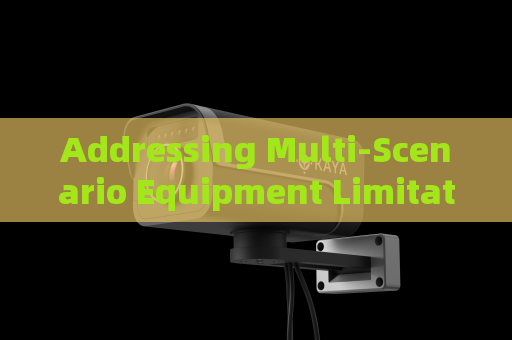
The device also proves its worth during night operations, when headlight glare from approaching vehicles creates severe visual noise. Because the penetrating imager uses its own pulsed laser as the illumination source, it is immune to external light variations. Agents can monitor approaching traffic from a secure position, identifying suspicious behavior—such as passengers ducking below the dashboard—before the vehicle even reaches the primary inspection zone. This advance reconnaissance capability transforms checkpoint security from reactive to proactive. Maintenance is straightforward: the sealed optical components require minimal cleaning, and the rechargeable battery supports a full eight-hour shift. With no need for physical contact or vehicle modification, the penetrating imager fits seamlessly into existing border patrol workflows, addressing a multi-scenario limitation that once seemed insurmountable.




