A routine traffic stop on a suburban highway turned into a nightmare for two officers who approached a sedan with heavily tinted windows. Unable to see the driver’s hands or the rear passenger compartment, they had no warning that a loaded handgun was being raised. This scenario is all too common: conventional optical surveillance fails when vehicle windows are coated, reflective, or splashed with rain. Law enforcement teams face a critical blind spot—they cannot verify the number of occupants, detect concealed weapons, or assess threats before making contact. Binoculars and zoom cameras offer no help when glare from streetlights or windshield condensation obscures the interior. The Penetrating Imager directly addresses this vulnerability, turning an opaque barrier into a transparent reconnaissance channel.
The Penetrating Imager employs laser range-gated imaging technology—a pulsed laser synchronized with a gated camera to capture only the light returning from a precise depth. This active system overcomes the backscatter that plagues traditional optics when looking through glass. Unlike passive night vision, which is blinded by headlight reflections, the imager’s narrow gate window isolates the vehicle cabin from the windshield surface. The result is a clear, high-contrast view of the people and objects inside, regardless of window tint, rain streaks, or fogged glass. For tactical officers conducting through-window tactical observation, the device delivers real-time imagery of seat positions, hand movements, and even small items on the dash—all without the subject knowing they are being watched. The system’s ability to function in zero-light conditions further expands its utility during covert stakeouts or predawn traffic enforcement.
In operational use, the Penetrating Imager is mounted on a tripod or vehicle roof, with the operator positioned at a safe standoff distance—typically 50 to 150 meters. Once aimed at the target vehicle, the imager’s laser illuminates the area behind the glass, and the gated camera captures the reflection from the cabin interior. The display shows a sharp, monochrome image that reveals whether a driver is reaching for a weapon, hiding a suspect in the back seat, or carrying a child. This capability transforms a high-risk approach into a calibrated decision: officers can call for backup, wait for a better moment, or confirm that the vehicle is clean. In one documented operation, a SWAT team used the imager to identify a hostage taker’s position inside a parked minivan, allowing them to breach precisely rather than guess. The technology also excels during nighttime vehicle interdictions, where car headlights and streetlamps would normally blind conventional cameras.
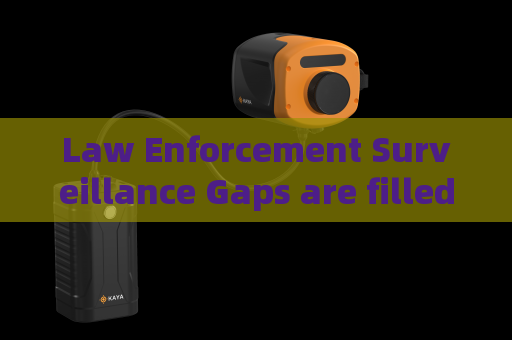
The Penetrating Imager does not create a perfect image—it cannot see through metal, fabric, or human bodies, nor can it penetrate smoke or heavy fog beyond a certain density. However, for the specific task of through-glass reconnaissance, it fills a gap that no other law enforcement tool has closed. By providing clear visual access to vehicle interiors, it reduces the guesswork that leads to officer injuries and civilian fatalities. Every traffic stop, border checkpoint, or parking lot surveillance operation becomes safer and more effective when the glass window no longer serves as a shield for concealed threats. The adoption of this technology marks a fundamental shift from reactive policing to informed, proactive threat assessment.




