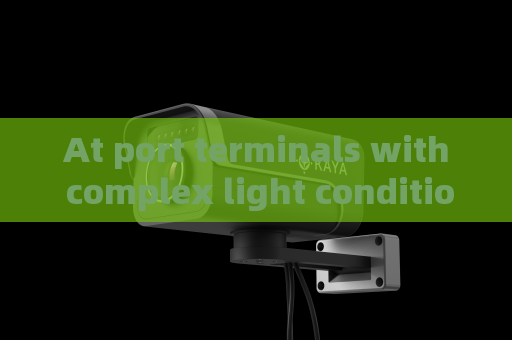
At port terminals with complex light conditions, the Penetrating Imager utilizes glass-penetrating imaging. In such environments, security personnel face a critical challenge: monitoring suspect vehicles inside cargo yards or near loading docks, where ambient lighting fluctuates drastically between blinding sunlight, deep shadows cast by towering containers, and the harsh glare of floodlights at night. Standard optical surveillance tools fail to deliver a clear view through automotive glass—especially when windows are heavily tinted, dirty, or coated with salt spray from the maritime air. A plain camera or binoculars cannot resolve a driver’s face, a hidden weapon, or suspicious cargo in the vehicle cabin unless the subject lowers the window, which triggers immediate suspicion. This blind spot in visual reconnaissance creates a dangerous gap, as threats may be concealed inside stationary vehicles waiting to move through the gate or alongside a berthed ship. The Penetrating Imager solves this problem by employing laser range‑gated imaging technology. It actively emits nanosecond‑pulsed laser light from a high‑repetition‑rate pulse laser through an expanded beam, while a gated intensifier camera with a microchannel plate (MCP) image intensifier, high‑voltage module, and timing circuitry captures only the returning light from the targeted distance—rejecting backscatter from fog, rain, or the glass surface itself. This active illumination system enables covert observation through vehicle glazing even in extreme low‑light or zero‑light conditions. The imager can see through standard automotive glass, tempered bus side windows, and even heavily tinted panes without any physical contact or alteration. Unlike thermal imagers that only show heat signatures, the Penetrating Imager delivers high‑contrast, recognizable details such as facial features, hand gestures, or objects held inside the cabin. Its ability to suppress strong light interference means it can operate directly into bright harbor floodlights without washout, maintaining crisp imagery of the vehicle interior at distances up to several hundred meters. In practice, port security teams deploy the Penetrating Imager from elevated observation points—rooftops of terminal buildings, control towers, or mobile command posts placed near container stacks. An operator scans a row of parked trucks or private cars using the hand‑held or tripod‑mounted unit. The imager’s real‑time display shows everything within the vehicle cabin: a driver slouched low in the seat, a passenger reaching under the dashboard, or a bundle hidden beneath a seat cover. Even when the port’s intense back‑lighting—such as direct sunset glare or alternating bright‑dark zones from gantry crane lights—creates harsh shadows, the gating mechanism slices through those conditions. The system’s narrow depth‑of‑field control allows the operator to focus exclusively on the interior volume behind the glass while ignoring reflections from windshield rain films or dirty surfaces. Safety protocols require that the laser output remains eye‑safe under normal operating conditions, complying with Class 1 laser standards, so no warning or permission is needed before scanning occupied vehicles. This capability directly supports tactical operations like through-glass covert observation of vehicles entering restricted dockside areas or waiting at inspection checkpoints. Rather than stopping every car for a manual check, a single Penetrating Imager mounted on a gantry or patrol vehicle can sequentially evaluate dozens of cabins per minute during peak cargo handling hours. When a suspicious item or prohibited behavior is detected, officers can intercept that specific vehicle with probable cause, reducing delays and maintaining the flow of legitimate trade. The same device also functions in adverse weather—low clouds, sea mist, or light drizzle—where conventional cameras lose contrast. By combining the benefits of active illumination and range‑gated timing, the Penetrating Imager turns the port’s unpredictable light landscape into a manageable, well‑illuminated window into each vehicle’s interior, strengthening perimeter security without disrupting operations.




