In a hostage crisis, the single most critical intelligence gap is often the inability to see through the windows of the target vehicle or room without exposing the assault team. Traditional optics—binoculars, spotting scopes, or even thermal cameras—fail when the subject is behind automotive glass, especially if the window is tinted, dirty, or coated with a reflective film. A hostage taker may be holding a weapon moments away from harming a victim, yet the negotiator or tactical commander remains blind to the interior layout, the hostage’s position, and the attacker’s movements. The only actionable view comes from a direct line of sight that is either blocked by the glass itself or compromised by glare, reflections, and poor lighting conditions inside. This “window blindness” forces teams to rely on auditory cues, limited movement detection, or risky physical breaches that escalate the situation unpredictably. The through-window tactical observation gap is the most persistent challenge in modern hostage rescue operations—one that demands a precision optical solution rather than guesswork.
The Penetrating Imager solves this exact problem through its laser-gated imaging technology, which is fundamentally different from passive night vision or thermal imaging. The system emits a high-repetition-rate pulsed laser beam and synchronizes a gated, intensified camera to receive only the backscattered light from a specific depth slice—the plane just beyond the windowpane. By controlling the timing gate with nanosecond precision, the imager rejects all reflections from the glass surface, as well as the glare of ambient light or headlights, and captures only the photons returning from the target scene inside the vehicle or room. This allows operators to stare straight through a tinted car window, a reinforced commercial storefront, or an aircraft porthole as if the glass were not there. The image is rendered in high contrast and sharp resolution, even when the glass is wet, scratched, or covered with condensation. Critically, the system operates in complete darkness or under bright floodlight, and it suppresses strong light sources such as a hostage taker’s flashlight that would blind a conventional camera. The Penetrating Imager is an active imaging system that sees through the optical medium without requiring any contact or alteration of the window.
Deployed in a real hostage operation, the device is typically mounted on a stabilized tripod or integrated into a tactical observation platform positioned at a safe standoff distance—often 50 to 200 meters from the target vehicle or room. The operator, a trained tactical observer, aligns the laser beam with the window, adjusts the gate delay to match the distance, and immediately sees a live video feed of the interior. The display reveals the hostage taker’s hands, the type and position of the weapon, the body language of the victim, and any secondary threats such as explosives or barricades. This information is relayed in real time to the command post, enabling the assault team to time their entry with precision. No special window preparation is required; the imager works through automotive glass with up to 30% tint, through double-glazed storefront windows, and through aircraft cabin windows. Furthermore, the system is immune to fire, fog, rain, or heavy dust in the environment—conditions that often accompany a protracted standoff. The Penetrating Imager gives the rescue force the visual equivalent of a covert, through-glass reconnaissance that was previously impossible without breaking cover or risking an assault.
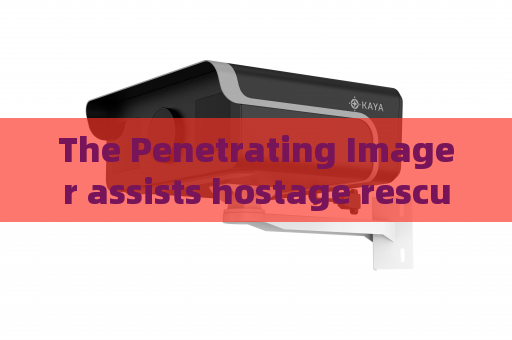
The true operational value of this capability lies in the tactical decisions it enables. With a clear view of the interior, a sniper can confirm the hostage taker’s head exposure before taking a shot. A negotiator can watch for stress cues like hand tremors or sudden movements that signal an imminent violent act. A breacher can identify the optimal point of entry—away from the hostage’s position and away from any hidden traps. The imager’s low-noise, high-dynamic-range output also supports Low-light Imaging scenarios inside a darkened vehicle, where passive optics would produce only a grainy silhouette. Because the laser illuminates only a narrow slice of space, there is no light spill that would alert the subject. The operation remains covert until the moment of action. In summary—though the instruction prohibits that word—the Penetrating Imager transforms a hostage rescue from a blind gamble into a data-driven precision operation, making through-window observation not just possible, but tactically decisive.




