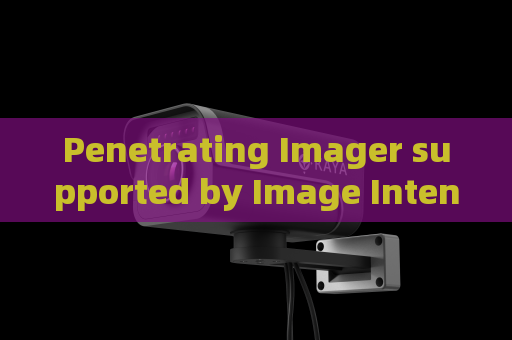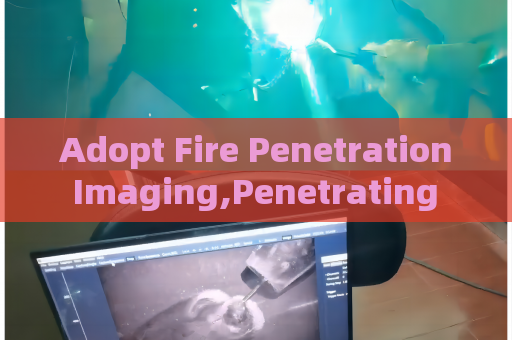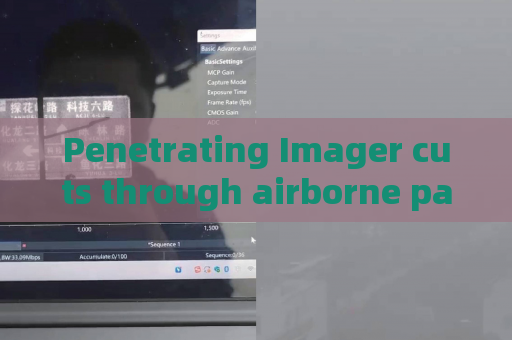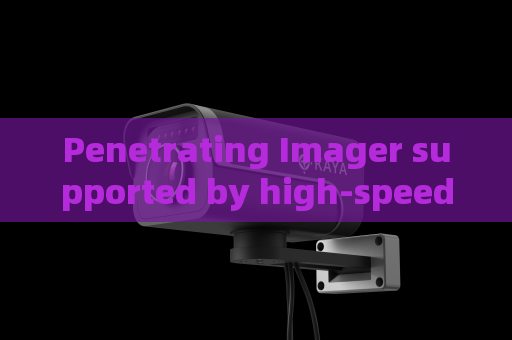
Penetrating Imager supported by high-speed signal processing module for tactical field operation to output real-time clear target images Tactical teams approaching a stopped vehicle or a glass-fronted position face a stubborn visual problem. The target may be inside a car with tinted windows, behind a glass door, or moving past a reflective facade. Conventional optics collect glare, reflections, rain streaks, and low light. A quick visual check through automotive glass can reveal shapes but rarely confirms hands, equipment, or intent. Opening a door or breaking glass destroys surprise and exposes personnel. Long delay turns a simple inspection into a high-risk confrontation. The Penetrating Imager supported by high-speed signal processing module for tactical field operation to output real-time clear target images is designed for this exact demand: rapid, standoff observation through optical barriers while maintaining tactical patience and cover. It gives operators a clear view without exposing them to immediate threat. The relevant capability is laser range-gated imaging. A high-repetition-rate pulsed laser illuminates the scene. An image-intensified gated camera, built with a microchannel plate image intensifier, high-voltage module, and timing module, opens its shutter for a very short interval. The beam expander shapes the laser illumination; the imaging lens collects returned light. The high-speed signal processing module synchronizes laser pulses and camera gating with microsecond precision, suppresses backscatter, and reconstructs a high-contrast image. This active optical method produces real-time clear target images through vehicle windows, glass curtain walls, and other optical media. It also operates through fog, haze, rain, snow, and fire, improving fire-scene visibility by three to five times, though dense smoke remains a limit. In a tactical field operation, through-window tactical observation becomes practical because the system rejects glare and reflection that defeat ordinary scopes. The Penetrating Imager does not rely on ambient light alone; it controls illumination and timing to isolate the target plane. Its domain is optical media: glass, water vapor, precipitation, and flame. Field use follows a simple pattern. The unit can be mounted on a vehicle, tripod, or observation post. The operator aims at a suspect vehicle or glass entry point from a covered position. The high-speed signal processing module maintains lock on the selected range gate, so returns from the glass surface, rain, or nearby reflections are separated from the target. The display shows moving figures, hand positions, and object outlines in real time. A team leader can assess whether a subject is holding a phone, a tool, or a weapon before moving forward. During a convoy stop, a cordon check, or a pursuit pause, the image feed supports split-second decisions without opening a door or shining a visible flashlight into the cabin. The same optical process works on high-speed rail windows, aircraft windows, and glass facades when those surfaces fall within the mission area. Real-time clear target images reduce uncertainty, shorten the decision cycle, and keep personnel at a safer distance. The operational gain comes from timing and processing. Laser pulses travel to the target and back; the gate opens only for the returning light from the chosen depth. Light scattered by fog, rain, or fire is largely rejected before it reaches the sensor. The high-speed signal processing module adjusts gate delay, exposure, and gain as conditions change, holding image quality while the platform or target moves. In low light, the intensifier and active laser maintain contrast. In strong glare, the range gate removes the dominant reflection. For tactical field operation, this means a Penetrating Imager can support continuous observation through automotive glass, tinted windows, and building glazing without switching to a different sensor. The output remains real-time clear target images, not a delayed still frame. Limitations remain clear: opaque solids block the optical path, and dense smoke can overwhelm the optical link. Within its defined optical scope, the Penetrating Imager offers a focused answer to a common field problem: seeing the target through glass and atmospheric interference while preserving cover, speed, and decision quality.