At tactical checkpoints, vehicle stops, and rapid security cordons, one persistent problem is that the most important information sits behind glass. Tinted windows, reflections, rain streaks, headlamp glare, and low-light conditions reduce the occupant compartment to a dark, ambiguous shape. A subject can sit motionless, conceal hands below the window line, or move objects out of view while officers approach. Traditional visual inspection forces a choice between opening a door, breaking cover, or delaying action. The risk increases when a vehicle is stopped at night or in poor weather, because ordinary observation loses contrast and depth. A Penetrating Imager addresses this exact tactical gap by making vehicle glazing a manageable optical barrier rather than a blank screen. For checkpoint teams, the cost of misreading a cabin is measured in seconds and safety margins. The requirement is not to see through the entire vehicle, but to gain a reliable visual read of the cabin through its windows before a close approach.
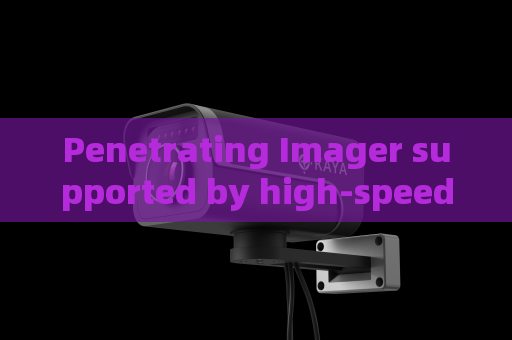
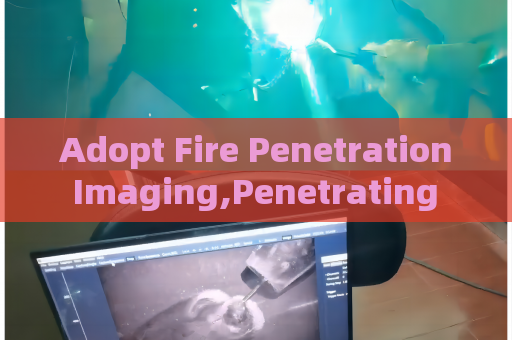
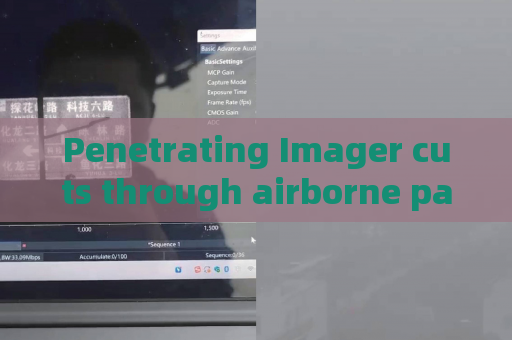
The relevant function is active range-gated optical imaging. A high-repetition pulse laser illuminates the scene, and an image intensifier camera with an internal microchannel plate, high-voltage module, and timing module opens its gate for a very short interval matched to the return light from the target distance. This timing rejects much of the backscatter produced by glass, rain, fog, snow, and atmospheric haze, while the beam expander and imaging lens maintain a controlled field of view. The result is high-contrast imaging with long standoff, fine resolution, and strong resistance to interference. Because the system works within the optical spectrum, it can penetrate vehicle window glass and similar optical media, supporting see-through automotive glass imaging without opening a door or exposing personnel. The Penetrating Imager’s same operating principle also helps under low-light conditions and in the presence of bright sources, where ordinary cameras saturate or lose detail. The camera’s image intensifier preserves detail when light return is weak, and the short gate reduces the washout caused by reflective glazing.
In practice, a tactical team can position the Penetrating Imager on a tripod, vehicle mount, or hand-held platform and direct it toward a stopped car. The laser pulses cross the distance, pass through the window glazing, and return from occupants, seat surfaces, and visible objects inside the cabin. Gated detection suppresses reflection from the outer glass surface, so the image is not dominated by mirror-like glare. Operators can observe posture, hand placement, and movement in the front and rear seats, supporting decisions about approach, verbal commands, or escalation. At night, in rain, or under headlights, the image remains usable because the system supplies its own pulsed illumination and the intensifier camera captures the brief return window. This creates a tactical advantage: information is gathered before doors open and before officers step into the danger zone. This readout can cover driver, passenger, and rear-seat areas within a single observation window, giving a more complete picture of the cabin. The Penetrating Imager supports this sequence by keeping the initial visual check at standoff.
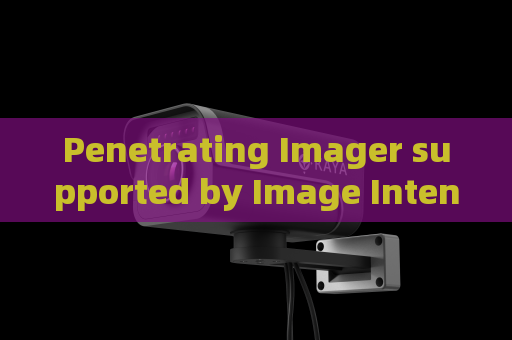
The operational value comes from speed and standoff. A checkpoint can screen multiple vehicles without physical contact, comparing cabin layouts and identifying anomalies such as an occupant suddenly leaning forward, reaching down, or shielding an object. The Penetrating Imager does not eliminate all uncertainty; vehicle body panels, opaque structures, and poor angles can still block the view, and the device is limited to optical media such as vehicle glazing. When combined with disciplined positioning, communication, and backup cover, however, it changes the sequence of a stop. The tactical scene is read through the window before approach, and the vehicle is entered with better knowledge. For checkpoint security, rapid vehicle interdiction, and high-risk stops, the Penetrating Imager provides a focused optical tool for through-glass observation, helping officers act on clearer visual evidence while reducing unnecessary exposure. The system supports a measured approach rather than a blind one, and its standoff capability keeps the initial visual check away from immediate physical contact.