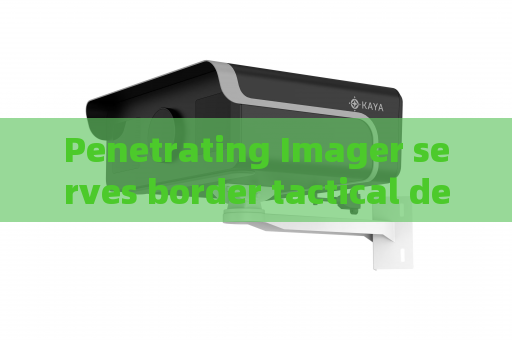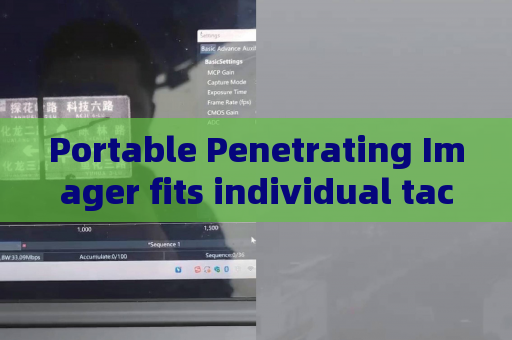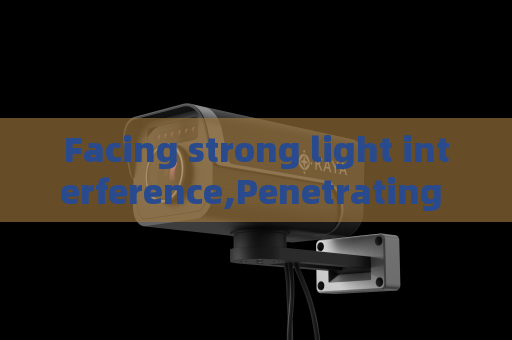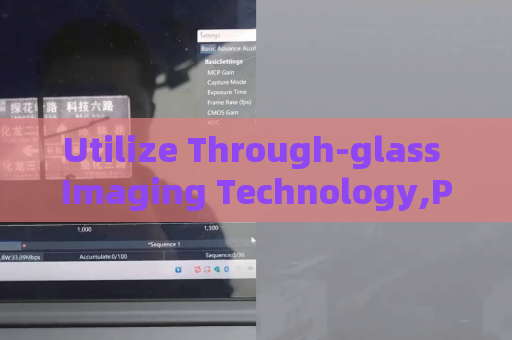
Utilize Through-glass Imaging Technology, Penetrating Imager supports vehicle hidden danger inspection to observe internal status Vehicle checkpoints and roadside security stops face a persistent problem. A vehicle may appear ordinary from the outside, yet its cabin can conceal hazards, unauthorized occupants, or suspicious items. Dark tinted glass, reflective coatings, rain streaks, road grime, and low light block direct visual inspection. Officers often lean close to windows, use flashlights, or request doors to be opened. These actions slow traffic, expose personnel to unknown risk, and alert anyone inside that inspection has begun. The critical gap is not a lack of suspicion but a lack of reliable internal visibility. Through-glass imaging technology changes that gap by allowing observation through vehicle glazing without opening doors. The Penetrating Imager is built for this exact task: vehicle hidden danger inspection to observe internal status. It gives inspection teams a safer way to assess a cabin before physical contact. The Penetrating Imager is an advanced optical imaging instrument that uses laser range-gated imaging, also known as gated imaging. A high-repetition-rate pulsed laser, an image-intensified gated camera with an MCP image intensifier, high-voltage module, timing module, beam expander, and imaging lens form the core optical chain. As an active imaging system, it sends controlled light pulses toward the target and opens the camera gate only for returning light from the selected range. This design produces high-contrast images, long operating distance, high resolution, strong anti-interference performance, and effective suppression of backscatter. In the vehicle inspection scenario, the relevant function is window-based observation: the system works through automotive glass, including tinted and reflective windows, while rejecting glare from glass surfaces, wet roads, and surrounding lights. It does not rely on ambient illumination, so through-window tactical observation remains possible in low-light or night conditions. The Penetrating Imager is limited to optical media such as vehicle glass. At a checkpoint, the operator can aim the Penetrating Imager at a side or rear window from a safe standoff distance. The pulsed laser passes through the glass, and the gated camera captures light returning from the cabin interior. Surface reflections from the window are largely excluded by timing control, so the image shows seats, occupants, floor areas, and carried items with greater clarity. Hidden dangers such as a person lying low, an unrestrained child, a suspicious package on a seat, or a blocked rear compartment can be assessed before a door is opened. The inspection remains non-intrusive and rapid. Vehicles can be screened in sequence without prolonged stops, reducing congestion and avoiding unnecessary contact. In rain, fog, or glare from headlights, the active gated imaging approach maintains a usable image where ordinary cameras or direct vision fail. For emergency and law enforcement teams, this supports faster decisions: approach, divert, or escalate based on observed internal status rather than guesswork. The operational value is especially clear during high-risk stops, border checks, and event security screening. A vehicle may have multiple windows with different tint levels, and the Penetrating Imager can check each one without opening a door or breaking a seal. The system can also support low-profile observation through the glass when a visible approach would change behavior inside the vehicle. Images are captured through the glass, giving a clear view through tinted windows while the inspection team remains outside the immediate threat area. Rain, haze, snow, and strong light do not automatically defeat the optical path, and the active gated design helps overcome backscatter from weather and glass. The Penetrating Imager therefore turns a difficult visual problem into a manageable inspection step. It does not replace physical search when a lawful and safe inspection is required, but it provides critical advance knowledge. For vehicle hidden danger inspection to observe internal status, the Penetrating Imager offers a focused, optical, through-glass capability that improves safety, speed, and situational awareness.