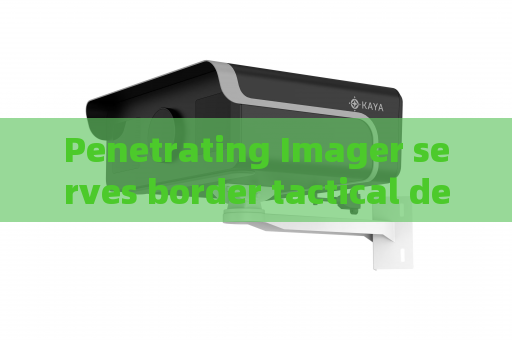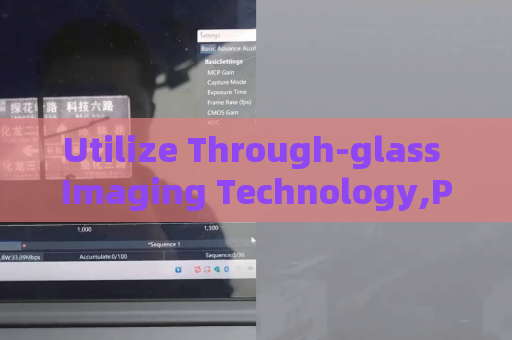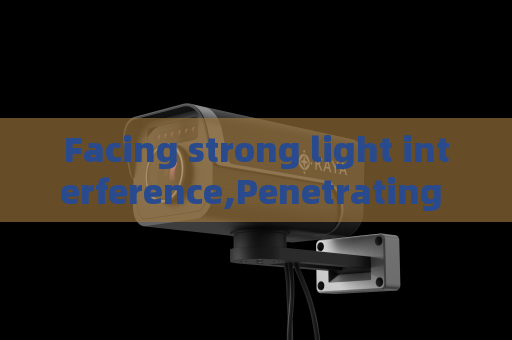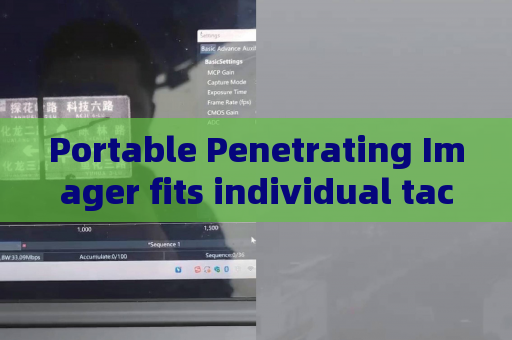
Portable Penetrating Imager fits individual tactical gear for rapid field deployment to search trapped persons in mountain disaster In mountain disaster response, the real tactical problem is seldom a simple absence of manpower. Rockfall, landslide, avalanche runout, and sudden road collapse create scattered vehicle clusters, damaged cable-car stations, and isolated glass-faced shelters where victims may be conscious but invisible. Rain, fog, snow, haze, fire glare, and broken vehicle glass turn every window into a distorted optical barrier. A responder moving along a narrow access line cannot stop for lengthy equipment setup or risk a slow manual breach when every minute affects survival. A Portable Penetrating Imager fits individual tactical gear for rapid field deployment to search trapped persons in mountain disaster because it gives the single operator a lightweight, quick-check capability at the point of contact. The urgent need is to confirm presence, posture, and movement behind vehicle glass or building glazing before committing rescue teams to a dangerous approach. The alternative is slower, more hazardous, and more likely to miss a silent survivor in low light. The relevant capability is laser range-gated imaging, also called gated imaging. A Portable Penetrating Imager uses an active optical chain: a high-repetition-rate pulsed laser, an image-intensified gated camera with an MCP image intensifier, high-voltage module, timing module, beam expander, and imaging lens. The camera opens its gate for a very short interval synchronized with laser pulses returning from the selected range. This Fog Penetration Imaging method rejects much of the backscatter from fog, rain, snow, and fire glare while preserving a high-contrast return from the target plane. Through vehicle glass, high-speed rail windows, aircraft portholes, or glass curtain walls, the system provides long-range, high-resolution observation under low light. It is an active imaging instrument, not a passive viewer, and its strength is clear imaging through optical media and optical interference. That precise optical behavior makes the imager useful for checking a vehicle cabin, a gondola enclosure, or a glass-sided waiting room without opening the barrier or exposing the search team. In field use, the imager is mounted on the operator’s tactical vest, helmet rail, or small tripod depending on the mission. A search element pauses at a suspect vehicle, aims through the side window or windshield, and reads the cabin in seconds. The gated image can reveal a slumped figure, a raised hand, or movement behind tinted and rain-streaked glass where unaided vision sees only reflection and glare. The same procedure applies at a damaged cable-car station or a mountain lodge with large glazing, allowing a rapid visual check before entry. Because the unit is portable and fits individual gear, the check can be made from a covered position, reducing exposure on unstable ground. The result is faster triage: teams can prioritize compartments with likely survivors and move on from empty ones without unnecessary force. In a multi-vehicle landslide zone, that speed matters because the search line may have only a short weather window before fog, snowfall, or rockfall closes access again. Mountain operations often continue through mixed weather and night hours. A Portable Penetrating Imager supports that rhythm by keeping the optical check consistent when fog, rain, snow, and fire glare degrade ordinary optics. In a fire-affected roadside scene, it can improve visibility by three to five times, though dense smoke remains a hard limit. The device does not replace physical search or confirm victims beneath packed earth, rock, or other non-optical cover; its defined role is optical media such as glass, fog, haze, rain, snow, and fire glare. For trapped persons in vehicles or glass-fronted structures after a mountain disaster, the Portable Penetrating Imager offers a narrow but decisive advantage: rapid, single-operator confirmation through the barrier that most often hides them from sight. Once a positive check is made, the rescue team can choose the safest entry point, prepare medical support, and avoid cutting into a compartment that may already be empty. That focused contribution keeps the tool aligned with the task: a portable optical imager for fast field confirmation, not a general excavation sensor.