In tactical reconnaissance operations, assessing a suspect vehicle during a nighttime traffic stop or a high-risk warrant service presents a critical challenge. Standard optical devices—binoculars, night vision goggles, or even thermal imagers—struggle when the target environment combines zero ambient light with intense, unpredictable glare. For example, a vehicle’s interior may be completely dark while its windshield reflects headlights, streetlights, or even a suspect’s tactical flashlight. The resulting backscatter and dynamic range overload wash out any useful detail. Officers cannot verify occupant identity, detect hidden weapons, or assess situational threats without compromising their own position. This performance limit is not merely a technical inconvenience; it directly endangers lives and mission success. The need for an imaging solution that simultaneously handles absolute darkness and extreme glare while maintaining optical transparency through glass is a persistent vulnerability in contemporary law enforcement tactics. The Penetrating Imager, built on laser gated‑viewing technology, directly addresses these comprehensive performance limits.
The core functional breakthrough lies in active laser illumination paired with ultra‑fast gated detection. The Penetrating Imager emits high‑repetition‑rate laser pulses toward the target and synchronizes the camera’s intensifier shutter to open only when the reflected light from the object of interest returns, while closing before backscatter from fog, rain, or—critically—from glare sources like headlights reaches the sensor. This time‑of‑flight gating eliminates the blinding effect of bright lights entering the optical path from the windshield or side windows. Because the system operates as an active imager, it supplies its own illumination, making it independent of ambient light. The intensified camera, built around a microchannel plate (MCP) and a high‑voltage gating module, provides high contrast even when the scene behind glass is dimly lit or completely dark. The optics, including a beam expander and imaging lens, are optimized to work through curved automotive glass without significant distortion. This design overcomes the two‑fold limit of zero light and high glare simultaneously.
In real‑world tactical application, the Penetrating Imager allows a team to conduct stand‑off surveillance of a vehicle from a safe distance—typically 50 to 200 meters—without alerting the occupants. The operator sees a clear, real‑time image of the interior: the number of individuals, their hand positions, any objects on seats or floorboards, and even subtle movements that could indicate reaching for a weapon. The system tolerates rapid changes in glare, such as when a passing vehicle’s headlights sweep across the target, because the gating window rejects the sudden intensity spike. Field deployments in night‑time traffic interdiction and hostage scenarios have demonstrated that the imager can effectively penetrate windshields, side windows, and even armored glass with a light‑transmissive coating. The image clarity is sufficient to distinguish a cell phone from a handgun or to read a suspect’s facial expression under zero‑lux cabin conditions. Because the laser is eye‑safe at operational ranges and the unit is compact enough to be vehicle‑mounted or tripod‑deployed, it fits seamlessly into existing tactical workflows without adding delay.
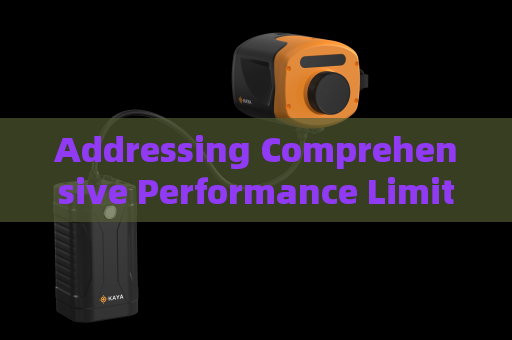
Further operational refinement focuses on multi‑angle positioning to reduce residual specular reflections from curved glass surfaces. Operators can adjust the laser divergence and camera gain in real time, optimizing for different vehicle angles and interior depths. The Penetrating Imager’s ability to maintain high resolution at extended distances means that a single observation post can cover an entire parking lot or roadway intersection without repositioning. Commanders gain the tactical advantage of confirming pre‑mission intelligence—such as whether a vehicle actually contains the desired subject—before making entry decisions. By effectively neutralizing the twin hazards of zero‑light and high‑glare environments, this technology transforms a previously blind spot into a decisive information channel, directly supporting officer safety and mission precision.




