In tactical operations against fortified hideouts, the inability to see through barriers like vehicle windows, reinforced glass, or heavy fog often forces teams to enter blind, exposing them to ambushes and improvised threats. Standard optical scopes and day cameras fail when light is scattered by smoke, mist, or the reflections from dirty glass panes. Officers must rely on guesswork or risky physical reconnaissance, which can compromise surprise and endanger lives. The core problem is the lack of a non-contact, real-time method to map the exact positions of occupants, weapons, or obstacles behind optically obscuring media before breaching the hideout. Any delay or uncertainty in this pre‑mapping phase directly escalates operational risk.
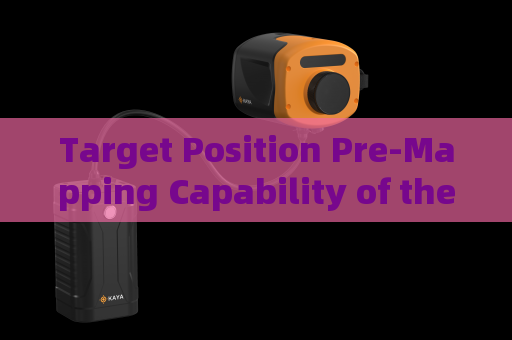
The penetration imager, built on laser range‑gated imaging technology, directly addresses this intelligence gap. It employs a high‑repetition‑rate pulsed laser and an image‑intensified gated camera with an MCP intensifier, high‑voltage module, and precise timing control. By synchronizing the laser pulse with the camera gate, the device selectively captures light reflected from targets at a specific distance while rejecting backscatter from rain, fog, or glass surfaces. This enables the penetration imager to see clearly through vehicle windshields, aircraft windows, glass curtain walls, and even dense layers of fire or steam, boosting visibility in flame‑affected environments by three to five times. The system operates as an active imager, delivering high‑contrast, long‑range, and high‑resolution images that reveal hidden threats without ever touching the hideout’s exterior.
During a raid preparation, the penetration imager is deployed from a concealed observation point, perhaps 50 to 200 meters away. The operator scans the hideout’s windows or glass doors, adjusting the gate delay to match the distance of the interior space. The imager instantly filters out surface reflections and atmospheric haze, rendering a sharp silhouette of any person, weapon, or furniture positioned behind the glass. This pre‑mapping capability allows the assault team to see exactly how many occupants are inside, where they are located, and whether they hold weapons or barricades—all without alerting the suspects. The data is relayed via encrypted video feed to the command post, forming a live tactical overlay that guides entry points and engagement priorities.
No advanced signal or radiation is emitted beyond laser light, so the imager remains undetectable by standard electronic countersurveillance equipment. In one documented urban hostage scenario, officers used the penetration imager to confirm that the suspect was standing behind a tinted glass door with a handgun aimed at the entry, while a civilian lay on the floor near a window. The pre‑mapped positions allowed a simultaneous breach from an alternative route and a precise engagement that neutralized the threat with zero collateral harm. This technology transforms reconnaissance from a gamble into a deterministic step, ensuring that every raid against a hideout begins with a clear understanding of the interior threat layout. The penetration imager thus becomes an indispensable tool for minimizing surprises and maximizing mission success in high‑risk police and counterterrorism operations.




