Zero-light environments pose a severe challenge to border security operations aimed at detecting illegal border activity. Traditional night vision systems, whether based on image intensification or thermal imaging, fail to deliver usable imagery when absolute darkness prevails and when subjects deliberately conceal themselves behind optically transparent barriers such as vehicle windshields, side windows, or building glass facades. Smugglers and undocumented migrants often exploit these conditions, moving under cover of night and using tinted or reflective glass to shield their identities and illegal cargo. Standard surveillance cameras struggle to penetrate such obstacles, producing useless reflections or silhouettes. Even advanced thermal imagers detect only heat signatures and cannot reveal facial features, documents, or contraband hidden behind glass. This critical gap in capability leaves border patrol agents with inadequate tools to confirm threats or make lawful interdiction decisions in the absence of ambient light. The pain point is not merely darkness—it is the combination of zero light and optical obstructions that renders conventional detection methods ineffective.
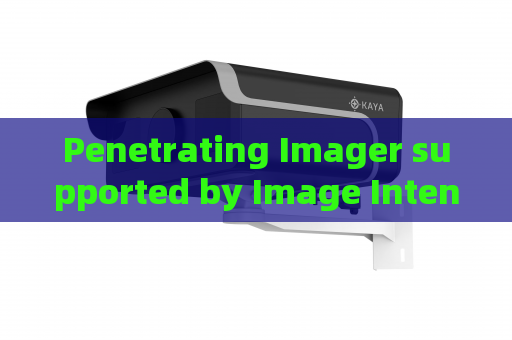
The Penetration Imager addresses this pain point through laser range-gated imaging technology, an active optical system that overcomes both total darkness and optical-media interference. The device employs a high-repetition-rate pulsed laser synchronized with an intensified gated camera, which includes a microchannel plate intensifier, high-voltage module, and timing control. By emitting extremely short laser pulses and opening the camera shutter only when reflected light from the intended target returns, the system eliminates backscatter from fog, rain, snow, or the glass itself. This gating mechanism allows the operator to select a specific distance, effectively isolating the target behind a windshield or a glass window while rejecting light scattered by atmospheric particles or the glass surface. Unlike passive night vision, the Penetration Imager provides its own illumination, enabling high-contrast imaging at extended ranges even in total darkness. The technology is strictly confined to optical media—it penetrates vehicle glass, train windows, aircraft portholes, and glass curtain walls, but cannot see through solid opaque materials such as concrete, brick, metal, or clothing. This ensures lawful and precise application in border scenarios.
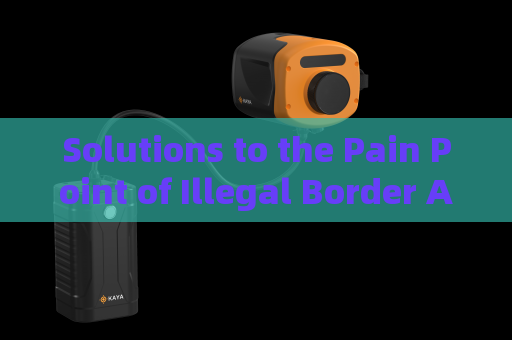
In practical border checkpoint deployment, the Penetration Imager enables an officer to stand 50 to 100 meters from an approaching vehicle and capture a clear, real-time image of every occupant inside, including their facial features, hand movements, and any items held or stowed in the passenger compartment. The system operates in complete darkness; the laser pulse is invisible to the human eye, preserving covert surveillance. A typical setup includes a tripod-mounted unit connected to a ruggedized tablet display, allowing the operator to adjust focus, gain, and gate timing on the fly. When a suspicious vehicle idles at a remote point—for example, a desert border crossing with no streetlights—the operator can trigger the imager and instantly see through the lightly tinted windshield, revealing whether the driver and passengers match their declared identities or whether contraband is visible in the footwell. The system also records high-definition video for evidentiary purposes, supporting later legal proceedings against illegal entrants or smugglers.
The ability to detect illegal border activity under zero-light conditions directly enhances officer safety and situational awareness. Because the Penetration Imager does not rely on ambient light or thermal signatures, it remains effective in rain, fog, and heavy snow—common environmental factors that frequently accompany clandestine border crossings. The range-gating feature further suppresses the blinding effect of headlights or artificial lights from the target vehicle, which would otherwise wash out a conventional camera image. Field tests demonstrate that the system can identify a human face behind a double-pane vehicle window at distances exceeding 80 meters, even when the interior is completely dark. This capability transforms a previously blind spot into a decisive tactical advantage. Border patrol units can now conduct remote vehicle inspections without exposing officers to ambush, verifying threats before moving into a vulnerable position. The Penetration Imager thus fills the most critical technological void in zero-light border detection, delivering actionable intelligence that stops illegal activity at the moment of attempted crossing.