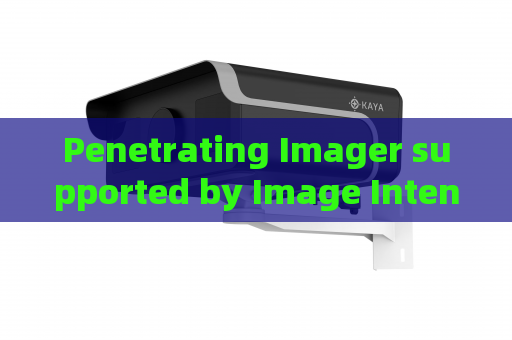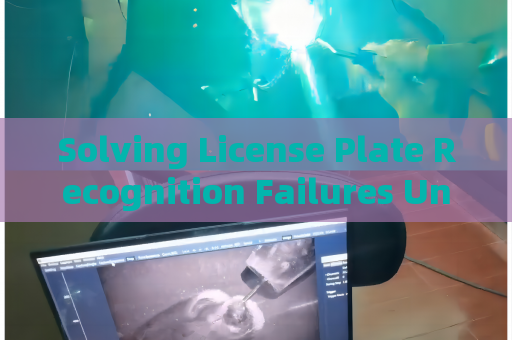
Solving License Plate Recognition Failures Under Strong Light and Backlight Interference with Strong Light Suppression Imaging License plate recognition systems deployed at highway toll booths, security checkpoints, and parking entrances frequently fail when vehicles pass through areas with harsh illumination. Direct sunlight hitting the plate at a low angle creates blinding glare, while backlight from headlights or ambient sources washes out the characters entirely. A typical camera sensor, designed for balanced exposure, cannot simultaneously handle the dynamic range of a bright sky and a shaded license plate. The result is overexposed plates with no readable digits or underexposed silhouettes that lack contrast. This operational blind spot compromises law enforcement efficiency, slows traffic flow, and allows vehicles with obscured plates to evade identification. For patrol officers stationed at roadside checkpoints, the inability to capture a plate under strong backlight means wasted time and missed evidence. The penetrating imager, built on laser range‑gated imaging technology, directly addresses this limitation through its strong light suppression capability. Unlike conventional cameras that rely on ambient light, the penetrating imager emits a high‑repetition‑rate pulsed laser and synchronizes a gated intensified camera to capture only the light reflected from a specific distance window. By controlling the gate timing, the system rejects all incoming light outside that short time slice, including overwhelming sunlight, headlamp glare, and scattered backlight. This active imaging approach ensures that the license plate—positioned behind a vehicle’s rear glass or windshield—receives enough laser illumination while the surrounding bright background is effectively gated out. The resulting image maintains high contrast between the plate background and the characters, even when the vehicle is directly facing the setting sun or driving under a tunnel exit with bright sky behind it. In practical deployment, a patrol vehicle equipped with a penetrating imager can capture license plates from oncoming traffic at distances exceeding 50 meters, regardless of whether the car’s headlights are on or the sun is behind the target. The operator simply points the system at the vehicle of interest; the built‑in timing module automatically adjusts the gate delay based on the distance measured by a co‑borrowed rangefinder or predetermined range. Within fractions of a second, the system acquires a clear, readable plate image that can be fed into an automatic number plate recognition (ANPR) algorithm. This eliminates the need for manual adjustment of exposure settings or reliance on external filters that degrade overall image quality. At fixed installations such as toll plazas, the penetrating imager is mounted above the roadway and angled to illuminate the rear plate of approaching vehicles. Even when the sun is directly behind the tollbooth and creates a massive backlight condition, the system’s gated operation consistently delivers a plate image that matches or exceeds the clarity obtained under ideal lighting. The penetrating imager’s strong light suppression imaging effectively solves a pain point that has long plagued legacy LPR systems. Because it operates solely within the optical domain and uses laser illumination gated in time, it does not interfere with other sensors or emit harmful radiation. The technology is especially valuable for law enforcement in high‑speed pursuit scenarios, where a suspect vehicle may deliberately position itself to catch the sun or shine high‑beam headlights at a following patrol car. The penetrating imager cuts through these countermeasures, returning a plate read that secures evidence for prosecution. With its ability to penetrate vehicle glass and suppress extreme light, this imaging tool becomes a reliable component in any traffic enforcement or security checkpoint setup, ensuring that no license plate remains unreadable due to environmental lighting challenges.