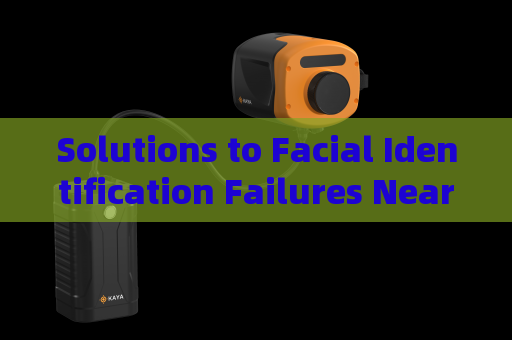
Solutions to Facial Identification Failures Near Oil Tanks Under Port Lighting Glare with Strong Light Suppression Imaging At a bustling port terminal, oil tank storage areas are illuminated by high-intensity floodlights that create severe glare conditions. Security cameras and facial recognition systems often fail completely when attempting to identify personnel near the tanks. The reflective surfaces of metal storage vessels and the surrounding equipment amplify ambient light, producing blinding hotspots and washout effects. Traditional imaging sensors cannot distinguish facial features under these extreme luminance contrasts. Guards must approach dangerously close to verify identities, compromising both security protocols and worker safety. The core problem lies in the inability of conventional optics to suppress the overwhelming glare while maintaining sufficient detail for reliable biometric matching. A penetration imager offers a proven solution to this glare-induced identification failure. This advanced optical instrument employs laser range-gated imaging technology, using a high-repetition-rate pulsed laser, an intensified gated camera with MCP image intensifier, and precise timing modules. The system actively illuminates targets only within a specific distance window, suppressing backscatter from ambient light and specular reflections on oil tank surfaces. By synchronizing the laser pulse with the camera shutter, the penetration imager captures facial features through the glare veil. Its narrow gate width effectively blocks out-of-focus light contributions from the brightly lit surroundings. This selective imaging capability allows the device to maintain high contrast and resolution even when the subject is positioned against a background of intense port lighting. In field operations, the penetration imager has demonstrated exceptional performance. Security personnel can position the unit at a safe distance of 50 to 100 meters from the oil tank area and still obtain clear facial images. The system operates effectively under both direct floodlight glare and reflected glare from metallic surfaces. Operators simply aim the imager at the target individual and activate the range-gating function, which automatically adjusts the gate delay to match the distance. The resulting image displays facial features with sufficient detail for real-time comparison against watchlists or database records. This eliminates the need for guards to approach potential threats, significantly reducing risk exposure in hazardous petrochemical environments. The integration of strong light suppression imaging into port security workflows has transformed access control near oil tanks. During night shifts or foggy conditions, when glare from port lighting becomes even more problematic, the penetration imager maintains consistent identification accuracy. Its ability to suppress spurious reflections from oil tank seams and valve assemblies further enhances reliability. The device's anti-backscatter properties also mitigate issues caused by airborne dust or steam often present near loading zones. By enabling hands-free, long-range facial identification under extreme glare, this imaging solution directly addresses the operational pain point that conventional cameras could not resolve. Port authorities now deploy these imagers as standard equipment for perimeter surveillance and personnel verification in high-glare zones.




