In tactical reconnaissance operations, the combination of absolute zero-light conditions and intense glare creates a uniquely treacherous scenario. Officers often must observe subjects inside a vehicle or behind a glass window at night, only to be blinded by oncoming headlights, searchlights, or tactical flashlights reflecting off the glass surface. Traditional night vision devices amplify ambient light but become useless in complete darkness, while infrared thermal imagers cannot see through windshield glass and are also susceptible to thermal saturation from hot surfaces. The glare from a direct light source overwhelms standard low-light cameras, causing blooming and washout that obscures the target entirely. This specific pain point—the inability to acquire actionable visual intelligence through a transparent barrier under simultaneous darkness and high-glare attack—represents a critical gap in modern tactical equipment. The penetrating imaging system must therefore operate as both an active illuminator and a noise-rejection filter, capable of isolating the reflected signal from the target while discarding the blinding glare.
The penetrating imaging instrument directly addresses this challenge through laser range-gated imaging technology, which combines a high-repetition-rate pulsed laser with an intensified gated camera. By emitting a nanosecond-duration laser pulse and opening the camera’s gate only when the pulse returns from the target distance, the system rejects all light arriving from outside that specific time window—including the glare from a headlight, a searchlight, or even a flashbang. This gate-control mechanism effectively “slices” through the optical medium (such as automotive glass, train windows, or glass curtain walls) while ignoring backscatter and out-of-range illumination. The built-in MCP image intensifier and high-voltage module amplify the returned laser signal with high contrast, producing a clear image of the subject inside the vehicle even when the glass is heavily tinted, dirty, or wet. Importantly, the system is a pure optical active imager; it does not rely on radio waves, X-rays, or any non-optical radiation, and its operation is confined entirely to the visible and near-infrared spectrum.
During a high-risk vehicle interdiction at night, the operator deploys the penetrating imaging instrument from a standoff position and aims it at the target vehicle’s windshield or side window. The laser beam passes through the glass, illuminates the occupants, and the camera’s gate timing is set to match the distance—typically between 10 and 50 meters. Even when the vehicle’s own headlights are on, or when a searchlight from an opposing unit creates a harsh glare on the glass, the instrument’s image remains stable and clear. The operator can observe hand movements, firearm positions, or communication gestures without exposing themselves to direct return fire. In extreme fog or light rain, the same technology improves visibility through the optical medium by up to three to five times, though it is ineffective against heavy smoke. The system’s ability to operate in complete darkness without needing visible-spectrum illumination further reduces the tactical signature of the reconnaissance team.
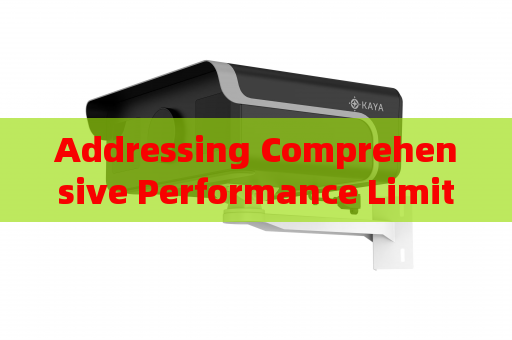
Within the same tactical scenario, the penetrating imaging instrument provides a continuous, real-time video feed to the command post, enabling decision-makers to assess the threat level before initiating any dynamic entry. The high-contrast image reveals not only the number and posture of subjects but also whether they are holding objects—such as weapons or shields—behind the glass. Because the instrument selectively images only the target plane, it eliminates distractions from background light sources, such as ambient streetlights or distant vehicle lights. This focused imaging allows operators to maintain visual contact during maneuvers, even when the suspect tries to obscure the glass with a reflective surface or a flash of light. The result is a decisive tactical advantage in zero-light, high-glare environments, where every second of clarity can mean the difference between a controlled intervention and a lethal confrontation.




