In bonded zones, where high-value goods and cross-border logistics converge, rapid vehicle screening is a critical security requirement. Yet, conventional inspection methods often encounter efficiency bottlenecks. Officers must quickly assess the interior of vehicles—cars, trucks, or buses—without causing delays that disrupt supply chains. The primary pain point lies in the inability to see through vehicle windows under challenging conditions: tinted films, heavy dirt, rain, fog, or even deliberate obstructions like reflective curtains. These optical barriers force inspectors to rely on time-consuming physical searches, opening doors and checking compartments, which slows throughput to a crawl. The need for a non-contact, immediate imaging solution that overcomes these visual obstacles is acute. In this scenario, the penetration imaging device (穿透成像仪) emerges as a targeted answer, offering a way to resolve the bottleneck without compromising thoroughness.
The penetration imaging device, built on laser range-gated imaging technology, directly addresses the visual limitations of vehicle screening. It employs a high-repetition-rate pulsed laser, an intensified gated camera with a microchannel plate (MCP), and precise timing modules to capture clear images through transparent optical media. This system can penetrate automotive window glass—including laminated side windows, rear windshields, and heavy-duty truck cab glass—regardless of tint or surface contamination. Unlike passive cameras that struggle with glare or backscatter from rain or fog, the active gating mechanism rejects out-of-range light, delivering high-contrast, high-resolution images of the vehicle interior. It operates effectively despite fog, haze, rain, or snow, as these conditions only affect light transmission within the vehicle’s glass boundaries. The device’s ability to “see through” such optical interference eliminates the need for officers to physically approach each vehicle, thus accelerating the screening process.
In practical bonded zone operations, this capability transforms the workflow. A single operator can position the penetration imaging device at a checkpoint and scan vehicles in motion or at a brief stop. The system captures real-time images of passenger compartments, cargo areas behind rear windows, and even the dashboard region—all without requiring the driver to lower windows or open doors. For example, a customs officer examining a line of delivery vans can instantly detect hidden compartments behind tinted rear windows, identify unauthorized occupants in sleeper cabs, or verify cargo loads through the windshield. The device’s robust performance in low-light conditions further enhances nighttime screening efficiency, a common bottleneck in 24-hour bonded zones. By reducing each vehicle’s dwell time from minutes to seconds, throughput increases dramatically, while security standards remain uncompromised.
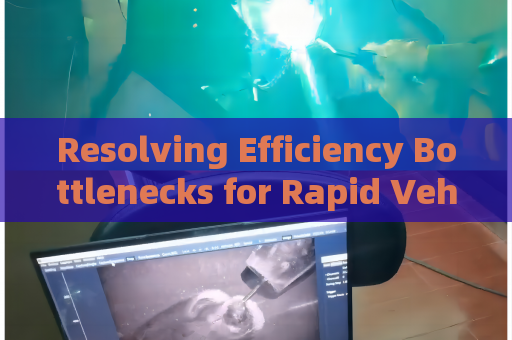
The operational precision of the penetration imaging device aligns with the rigorous demands of bonded zone security. Its laser-based active imaging ensures that only light reflected from target objects within the gated range is captured, eliminating glare from oncoming headlights or reflective road surfaces. The device’s high-resolution output allows inspectors to zoom into specific areas—such as the footwell or rear cargo shelf—without physical intrusion. This non-invasive approach respects vehicle integrity and driver privacy, as the system only reveals what is optically visible through glass. In snowy or rainy weather, when conventional cameras lose contrast, the gating technology preserves image clarity by temporally isolating the vehicle’s interior from suspended particles. Thus, the bottleneck of weather-related delays is resolved, enabling rapid, reliable screening every time a vehicle enters or exits the bonded zone.




